
You cannot open a plane door in flight because the cabin is pressurised, so the air inside pushes hard against the door from within. Most airliner passenger doors are plug-type: they must first move inward before swinging out, and cabin pressure presses them tighter into the frame. Only when cabin and outside pressure match, on the ground, can a door be opened.
Updated November 2026 · HappyFares
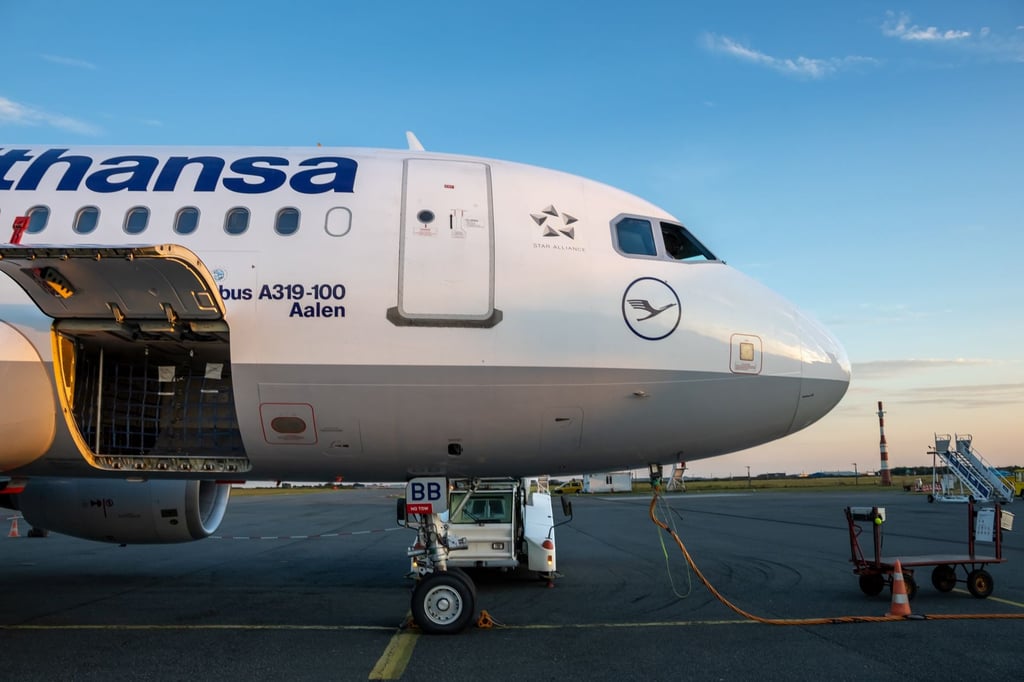
It is a favourite thought during a long flight: what if someone tried to open the door? The short answer is that physics makes it close to impossible, and the design is deliberate.
Why does cabin pressure keep the door shut?
At cruising altitude the air outside is far too thin to breathe, so the cabin is pressurised to keep passengers comfortable. That makes the air pressure inside the cabin much higher than the air pressure outside. The difference pushes outward on every surface of the fuselage, including the doors.
The force on a door is the pressure difference multiplied by its area, and a door has a large area. Even a modest pressure difference adds up to a force far beyond what any person can pull against. Exact figures depend on the aircraft and altitude, so it is safest to say simply that the load is very large.
What is a plug door and why does it open inward first?
Most airliner passenger doors are plug-type doors. A plug door is shaped like a wedge or plug that is larger than the opening it sits in. To open it, the door has to be moved inward and then turned or lifted to pass through the frame, and only then pushed outward.
In flight, the higher pressure inside pushes the door outward against the frame, which seals it and holds it shut more firmly the greater the difference becomes. To get such a door out of its frame you would have to pull it inward against that pressure, which is not possible. The design is the reason a door cannot be forced open by accident.
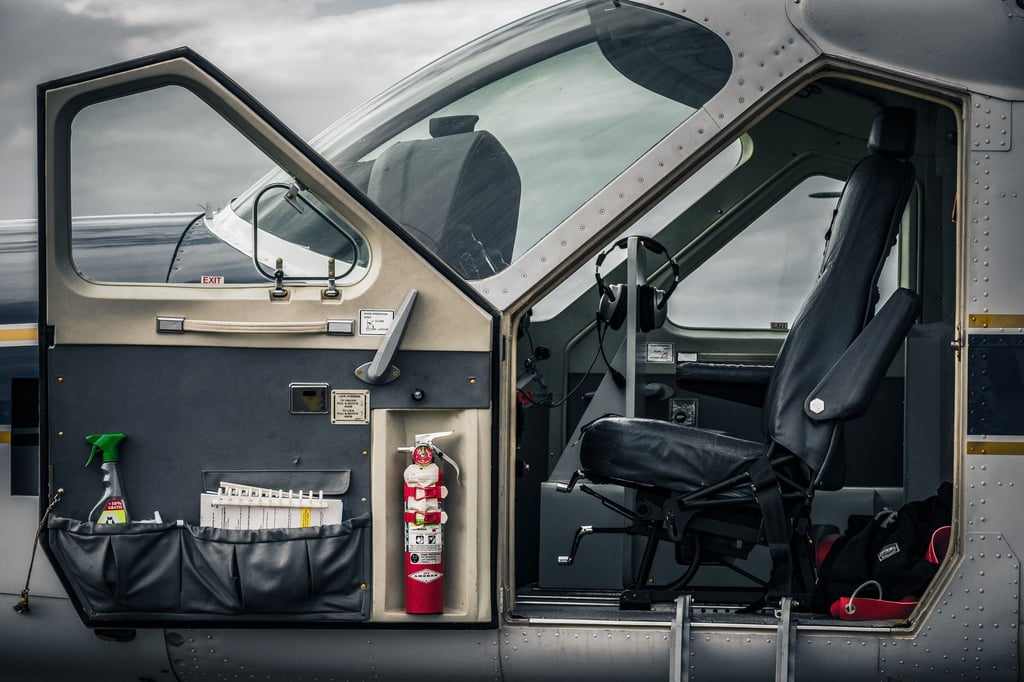
When can a door be opened?
A door can be opened once the pressure on both sides is equal. That happens on the ground, after the aircraft has landed and the cabin has been brought back to outside air pressure. The nearer the aircraft gets to the ground, the smaller the difference becomes, which is why only crew, following procedure, decide when a door is touched.
Doors are handled by trained crew, not by passengers, and crew follow set procedures before a door is opened. That is why you are asked to stay seated until the seat belt sign is off and the crew announces that the doors are being opened.
What about emergency exits and the hatch next to the wing?
Over-wing emergency exits are designed for emergencies and are opened by passengers only on crew instruction. Exits of this kind are generally built on the same principle: in flight, cabin pressure presses them against their frame, so they cannot be opened while the aircraft is pressurised. If you are seated at an exit row, the crew will brief you, and you must be willing and able to help in an evacuation.
A good rule for every passenger: never touch a door handle or an emergency exit handle unless crew tell you to. Tampering with an aircraft door or exit can endanger everyone onboard and is treated very seriously by airlines and regulators.
What if a door or panel does fail in flight?
Real-world failures are rare, and they involve a faulty or incorrectly fitted part, not a passenger forcing a door. The US National Transportation Safety Board investigated the 5 January 2024 Alaska Airlines Flight 1282 event, in which a door plug on a Boeing 737-9 separated in flight. The NTSB found the probable cause was Boeing’s failure to provide adequate training, guidance and oversight for a process meant to ensure bolts removed during rework were reinstalled, not a passenger opening anything. The event was a structural failure of a fitted panel, and it is a very different thing from a door being opened.
In a sudden loss of pressure, oxygen masks drop from the panel above, and the pilots descend to a lower altitude where the air is breathable. Crew are trained for this, which is why you are asked to follow their instructions at once.
Common Questions
Could a very strong person open a plane door in flight?
No. The force from the pressure difference is much larger than human strength, and the plug design means the door would have to move inward against that force.
Why can the door be opened after landing?
Because the cabin pressure has equalised with the outside air. With no difference pushing on the door, the crew can operate it normally.
Does the door open at lower altitude?
Do not count on it. The pressure difference reduces as the aircraft descends and it is only fully gone once the cabin is at ground pressure, so the door is handled only by crew on the ground.
Are cockpit doors different?
Yes. The flight deck door is a reinforced secure door that stays locked in flight, and passengers should never approach it. Design details vary by aircraft.
What should I do if I see someone tampering with a door?
Tell the cabin crew immediately and do not intervene yourself.
Can I open the window shade or window instead?
You can raise or lower the shade freely. The window itself is part of the pressure structure and cannot be opened.
Ready for your next flight? Search and compare flights on HappyFares, with zero convenience fee on domestic bookings, then set a price alert or ask Meera, our AI assistant, to help you find a good fare.
Aircraft designs differ by model and rules change, so check current specifics with the airline, DGCA or the airport before you travel.

