
Your ears pop on a flight because air pressure in the middle ear has to match the changing cabin pressure, and the narrow Eustachian tube lets air in or out to balance it. Swallowing, yawning, chewing gum or sucking a sweet helps the tube open. Descent is usually worse than climb, so stay awake and keep swallowing as the plane lands.
Updated November 2026 · HappyFares
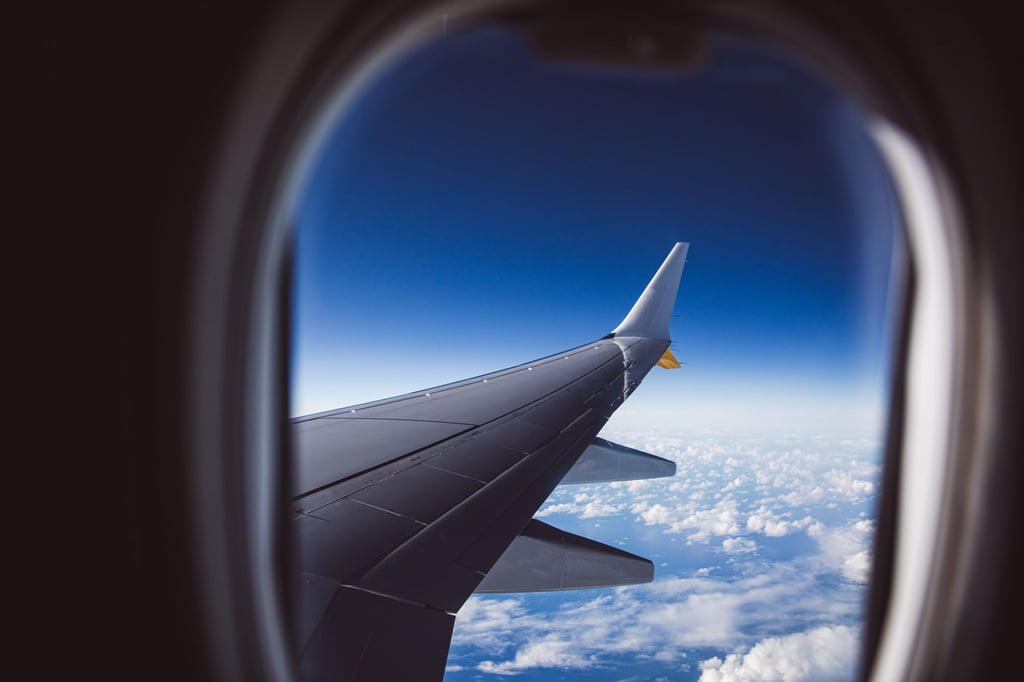
That muffled, blocked feeling as a plane climbs or lands is one of the most common flying complaints. It is harmless in most people, and a few simple habits make it far easier to handle.
Why do your ears pop on a flight?
Behind your eardrum is a small air-filled space called the middle ear. A narrow passage, the Eustachian tube, links it to the back of your throat. Its job is to keep the air pressure behind the eardrum equal to the air pressure outside it.
During a flight the cabin pressure changes as the plane climbs and descends. If the pressure behind your eardrum does not keep up, the eardrum is pushed or pulled, and you feel fullness, muffled sound or pain. The “pop” is the moment the tube opens briefly and lets air through, so the two sides match again.
Why is descent usually worse than takeoff?
On the way up, the pressure outside the middle ear falls, and the extra air in the middle ear usually escapes through the tube without much effort. On the way down, cabin pressure rises, and the tube has to let air in. If the tube is not opening well, the eardrum is pushed inward, and that is the painful part.
Health sources note that the pain is usually temporary and often eases within a few minutes once the tubes open. It is also why staying awake matters: you swallow less often when you sleep, so the tubes get fewer chances to open just when you need them most.
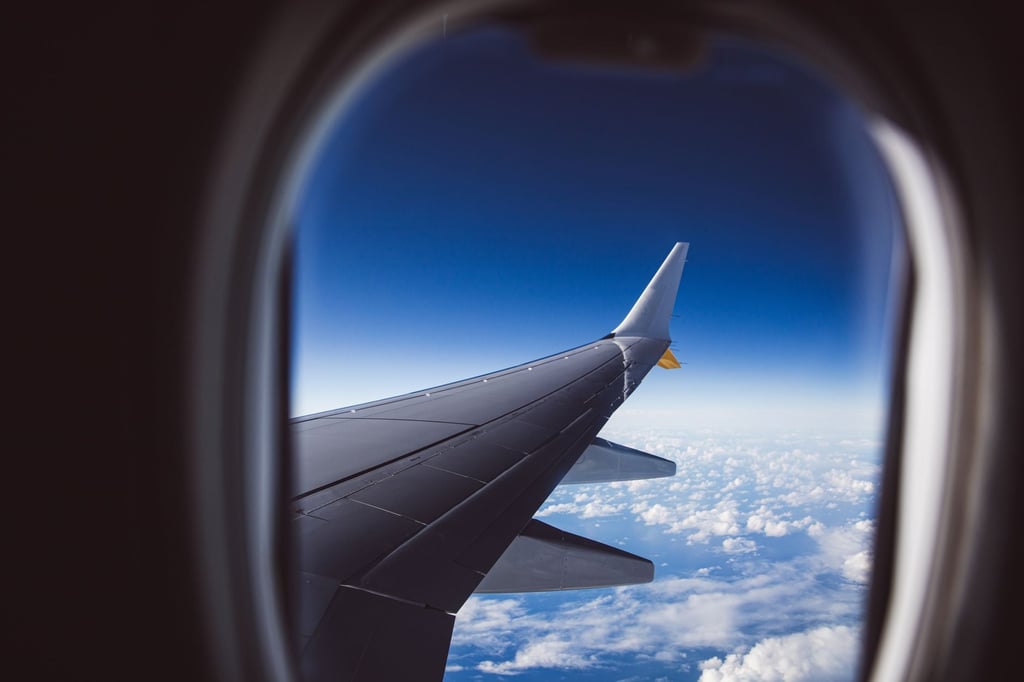
How can you ease your ears during a flight?
These are the simple techniques that medical sources such as MedlinePlus and children’s health guides commonly suggest:
- Swallow and yawn: both help open the Eustachian tubes. Sipping water makes you swallow more.
- Chew gum or suck a sweet: this keeps you swallowing during descent. For young children, gum and hard sweets are generally advised only above about 3 years of age because of choking risk.
- Try a gentle Valsalva manoeuvre: breathe in, pinch your nostrils closed, keep your mouth shut and blow out very gently through your nose. Gentle is the key word. Blowing hard can hurt your ears.
- Stay awake for descent: start these steps as the plane begins to descend and keep repeating them until you land.
- For babies: feeding or sucking on a pacifier during takeoff and landing encourages swallowing. Bottle-fed babies should be held upright.
Some people also use earplugs made for flying, which slow down how fast pressure reaches the eardrum. If you are considering a nasal spray or any medicine before a flight, ask a pharmacist or doctor first, especially for children, or if you have other health conditions.
Should you fly with a cold or blocked sinuses?
A cold, allergy or sinus infection can swell the lining of the nose and the Eustachian tube, which makes it harder for the tube to open. Medical sources advise avoiding altitude changes, where possible, when you have a respiratory infection or active allergy symptoms, because ear pain is more likely and can be stronger.
If you must travel, start the ear-clearing steps early in the descent, drink water through the flight and keep a packet of sweets or gum in your pocket. For a child with an ear infection, ask a doctor whether it is better to wait until it clears.
When should you see a doctor?
Most flight-related ear discomfort passes within minutes to a few hours. Contact a doctor if:
- the discomfort does not ease within a few hours of landing
- the pain is severe or getting worse
- you notice fluid or blood from the ear
- you have a fever, dizziness, ringing in the ears or reduced hearing
A small aviation fact: the cabin of an airliner is pressurised so that it is much more comfortable than the thin air outside, but it is still kept at a lower pressure than the ground. That is why your ears notice the change during every climb and descent.
Common Questions
Why do only my ears hurt, but not my neighbour’s?
People differ. Narrow or slow-opening Eustachian tubes, a cold or allergies make some travellers more sensitive than others. Children’s tubes are narrower, so they are often affected more.
Is it dangerous if my ears do not pop?
Usually it is just uncomfortable, and it settles on its own. Keep trying gentle swallowing and yawning. If it persists for hours or comes with fluid, hearing loss or severe pain, see a doctor.
Does chewing gum really help?
Yes, because chewing makes you swallow often, and swallowing helps open the Eustachian tubes. Sucking a sweet works in the same way.
Is the Valsalva manoeuvre safe?
A gentle one is the standard technique for adults and older children. Do not force it, and stop if it hurts.
Should I sleep through the landing?
It is better not to. You swallow less while asleep, so try to stay awake through descent and keep your ears working.
Can babies and small children fly safely?
Yes. Encourage swallowing during takeoff and landing, and speak to a doctor first if your child has a cold or ear infection.
Planning a trip? Search and compare flights on HappyFares, with zero convenience fee on domestic bookings, set a price alert, or ask Meera, our AI assistant, to help you find a good fare.
This article is general information, not medical advice. Rules and fees change, so check current specifics with your doctor, the airline, DGCA or the airport before you travel.

