
Planes are de-iced by spraying heated fluid on the wings, tail and other critical surfaces to remove frost, ice or snow before takeoff. A thicker anti-icing fluid, often Type IV, may then be applied to keep new ice from forming for a limited period called holdover time. The rule is simple: an aircraft must take off with clean surfaces.
Updated November 2026 · HappyFares
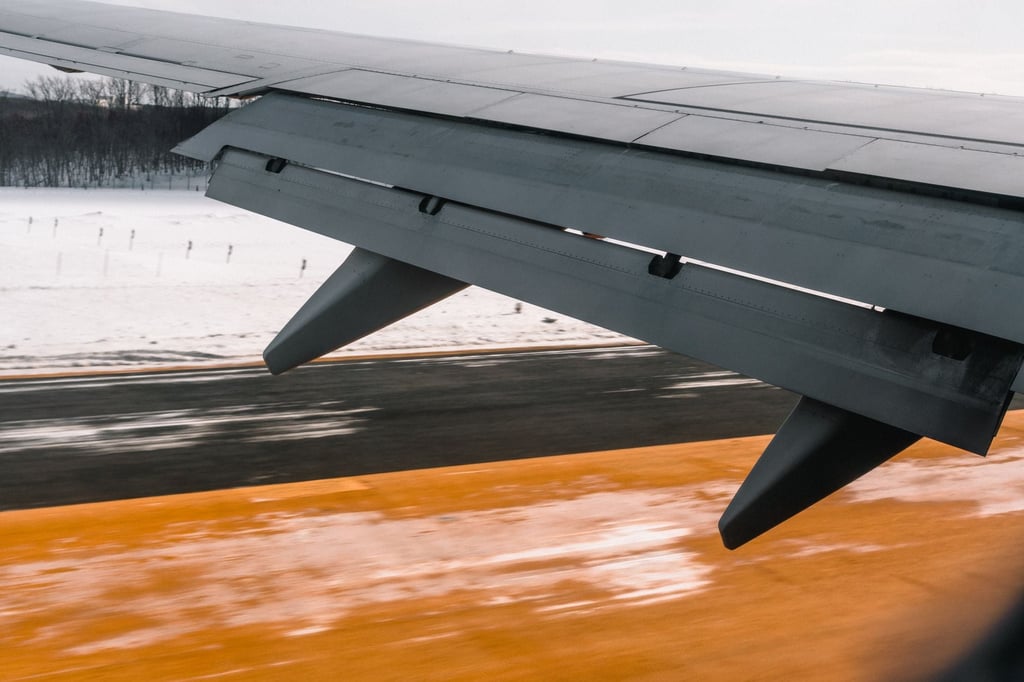
Winter travellers abroad, and anyone flying to colder places, often see a truck with a long arm spraying a plane before departure. It is not a car wash. It is one of the most important safety steps of a winter flight.
Why is ice on a plane’s wings so dangerous?
A wing makes lift because of its precise, smooth shape and the way air flows over it. Frost, ice or snow on the surface makes it rough and disturbs that airflow. Transport Canada, which publishes detailed guidance on ground icing, states that frost, ice or snow with a roughness similar to medium or coarse sandpaper on a wing can reduce lift by as much as 30 percent and increase drag by 40 percent.
That is why aviation regulators follow what is known as the clean aircraft concept. Canadian rules, for example, prohibit takeoff with frost, ice or snow on any critical surface, and the same principle is applied by other aviation authorities, including the US FAA. Even a thin layer of frost counts, because it is rough and always sticks to the surface.
How does ground de-icing work?
De-icing is the removal of ice, frost or snow that is already on the aircraft. Crews usually spray heated fluid from a truck-mounted boom, working over the wings, tail and other critical surfaces. Transport Canada also lists other ways of clearing contamination, such as heated hangars, and mechanical tools such as brooms or squeegees.
The fluids used are freezing-point-depressant fluids, usually glycol-based. They melt what is on the surface and stop water from refreezing quickly. Fluids should be used only if the aircraft manufacturer approves them.
What are Type I and Type IV fluids?
De-icing fluids are grouped into types.
- Type I: a thin, unthickened fluid that runs off quickly. It is excellent for clearing contamination when applied hot, but it gives only very limited protection against new ice afterwards.
- Type II, III and IV: thickened fluids. The thickener helps them stay on the surface for longer. Type IV meets the Type II standard with a longer protection time and is dyed green so crews can see where it has been applied.
Crews often use a two-step process in heavy conditions: first a heated Type I fluid to clean the aircraft, then a thicker fluid such as Type IV to protect it while the aircraft taxis to the runway. Thickened fluids are designed to flow off the wing as the aircraft accelerates on takeoff.
What is holdover time?
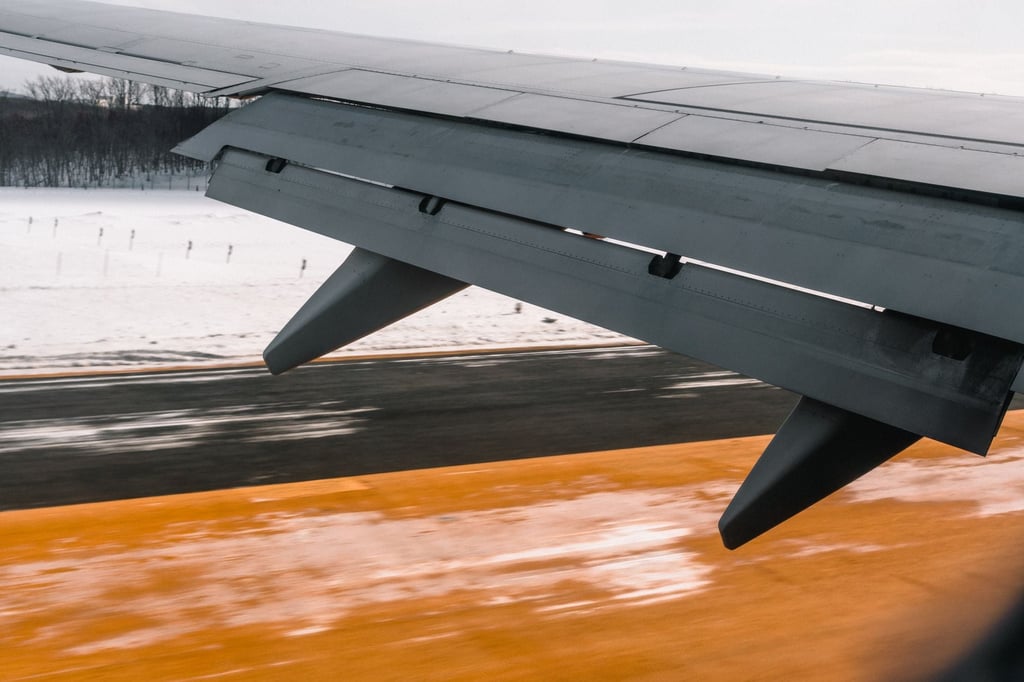
Holdover time is the estimated time that the applied fluid will prevent frost, ice or snow from building up on the treated surfaces. According to the FAA’s guidance, it begins when the final application of fluid starts and ends when the fluid is no longer effective. It depends on the fluid type, the weather, the outside temperature and how heavy the precipitation is.
The FAA publishes holdover tables every winter, including an edition for 2026-27, and Transport Canada notes that such times are guidelines, not guarantees. If the holdover time runs out before takeoff, for example because of a long taxi queue, the aircraft may have to be treated again or inspected. Pilots remain responsible for deciding that the aircraft is fit to fly.
Does ice also form in flight, and does it matter for Indian travellers?
Ice can also form on an aircraft in flight when it passes through cold, moist air. Aircraft that fly in such conditions generally carry in-flight ice protection, often working with heat, but this is a separate matter from ground de-icing. It does not replace it, which is why an aircraft must be clean before it leaves the ground.
Ground de-icing matters mainly at cold-climate airports abroad, such as those in Europe and North America in winter. If you are flying to a cold destination, expect it to be part of the winter routine. If a de-icing queue delays your flight, it is a safety process, not an inconvenience for its own sake.
A small aviation fact: very cold fuel in the wing tanks can chill the wing surface and form clear ice that is hard to see, even in conditions that do not look icy. This is why crews inspect critical surfaces rather than rely only on how the weather appears.
Common Questions
Why is the aircraft treated on the ground at all?
Frost, ice or snow can form on the wings and tail while the plane is parked in freezing conditions. The surfaces must be cleaned before takeoff, because contamination changes how the wing makes lift.
Is de-icing fluid the same as anti-icing fluid?
They are related. De-icing removes contamination that is already there, and anti-icing fluid, usually thickened, helps prevent new build-up for a limited holdover time.
Why does a plane sometimes get de-iced twice?
If holdover time expires before takeoff, or conditions change, the aircraft may need to be treated again.
Will de-icing delay my flight?
It can, especially in heavy snow or freezing rain, when many aircraft queue at the same time. Safety rules do not allow takeoff with contaminated wings.
Do I need to do anything as a passenger?
No. Stay seated and follow crew instructions. De-icing is done by ground crews and you may notice spray and fluid running down the windows.
Will my flight from India need de-icing?
It depends on the weather at the departure and arrival airports. It matters most when you fly to or connect through cold-climate airports abroad in winter, and the airline decides when it is needed.
Planning a winter trip? Search and compare flights on HappyFares, with zero convenience fee on domestic bookings, set a price alert, or ask Meera, our AI assistant, to help you find a good fare.
Procedures and rules change, so check current specifics with the airline, DGCA or the airport before you travel.

