
Airliners have two pilots so that one can fly while the other monitors, cross-checks and handles radio and checklists, and so that a capable pilot is always at the controls if the other is unwell. In Europe, regulations currently require no fewer than two flight crew for large commercial aeroplanes. A plane can be flown by one pilot in an emergency, but it is not how airliners are operated.
Updated November 2026 · HappyFares
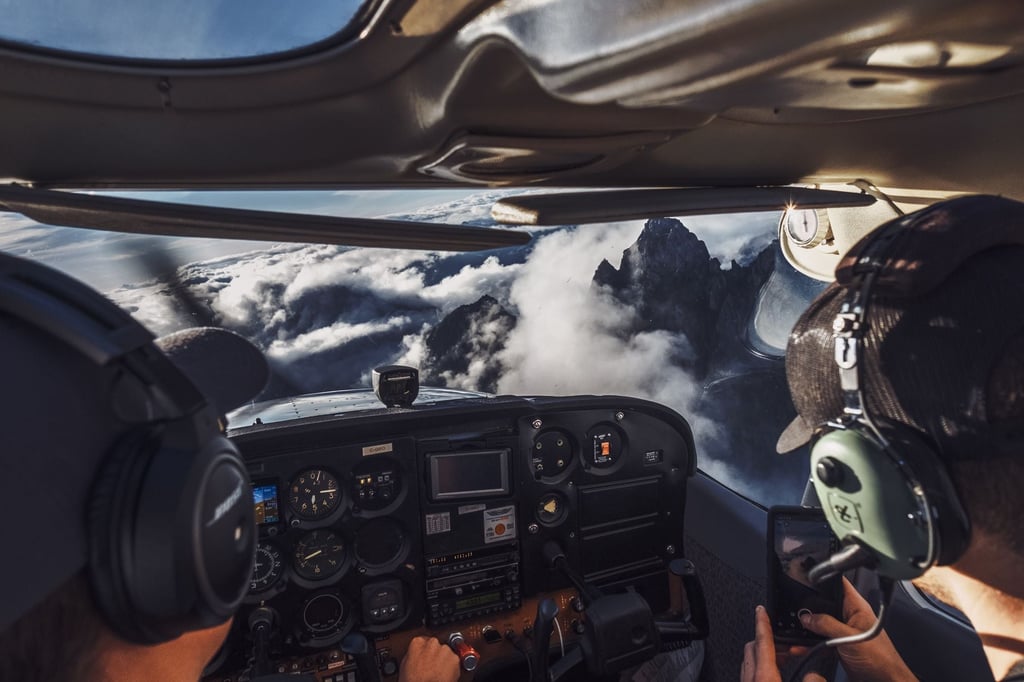
Whenever the cockpit door opens before boarding, you glimpse two seats and two pilots. It looks like a simple pairing, but each seat has a distinct job, and the arrangement is deliberate.
What do the two pilots actually do?
The two pilots are usually the captain and the first officer. On each flight, one of them is the pilot flying and the other is the pilot monitoring. The pilot flying controls the aircraft. The pilot monitoring talks to air traffic control, watches the aircraft’s systems, works through checklists and checks what the pilot flying is doing.
The captain holds overall responsibility for the aircraft, whoever is flying that leg. The two pilots often share the flying duties between them rather than one always flying.
The monitoring role is the heart of the system. Two people watching the same flight means that a slip, a wrong setting or a missed call is far more likely to be spotted and corrected before it matters.
Why are two pilots required?
There are two reasons: workload and backup. Takeoff, approach and landing are busy phases, with radio calls, checklists and precise handling happening together. Splitting those tasks between two people keeps each task manageable.
The second reason is incapacitation. If one pilot became suddenly unwell, the other can take over. That is one reason the two-pilot cockpit is widely regarded as a key safety feature, and why safety regulators set a minimum crew.
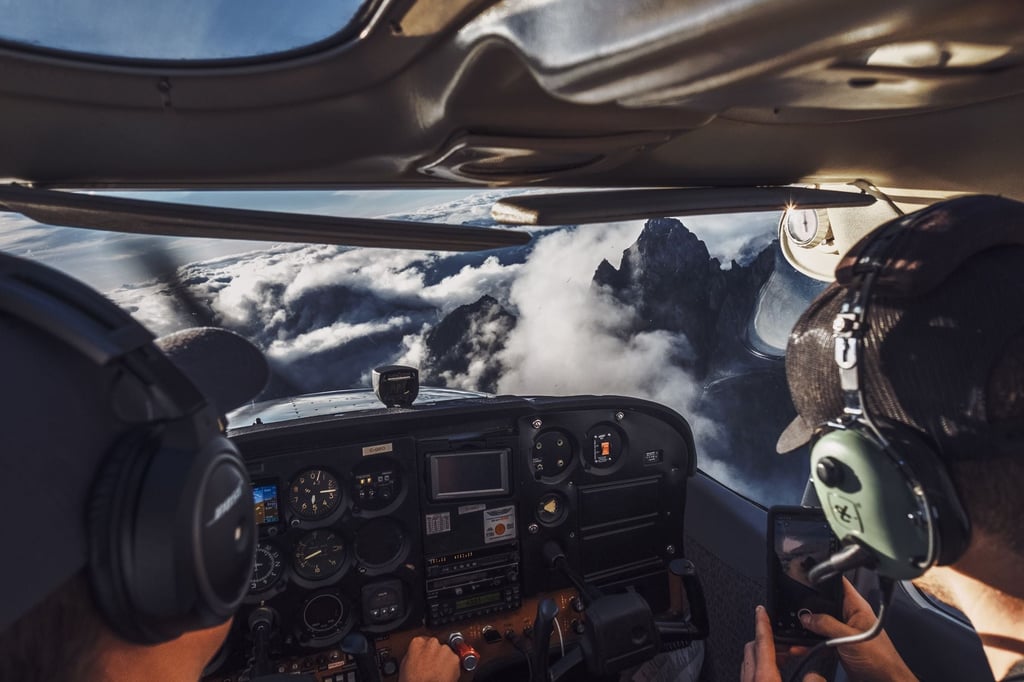
The European Union Aviation Safety Agency says that large aeroplanes used for commercial air transport currently need no fewer than two flight crew members under the EU Air Operations Regulation. EASA also has a research project that studies what would be needed to allow single-pilot operation during the cruise phase. It is a risk-assessment study of a concept, and under the current rules two pilots remain the requirement.
Can one pilot fly the plane if the other cannot?
Yes, in an emergency. Pilots train for the case where one crew member cannot continue, and the remaining pilot’s job is to fly the aircraft and land it. If the captain is incapacitated, the first officer takes command. That is a rare event, but it is the scenario the two-pilot rule exists to cover.
It is an important distinction. A plane that can be flown by one pilot in an emergency is not the same as a plane that is approved to operate with one pilot. The first is a backup plan. The second would be a different way of running an airline.
There is also a rule about being alone on the flight deck. EASA has issued guidance on minimum cockpit occupancy, with the stated aim that incapacitation of a crew member who is alone in the cockpit does not lead to a loss of aircraft control. That is why, when one pilot leaves the flight deck, procedures usually bring in another crew member while the pilot is away.
Why do long flights sometimes have more than two pilots?
On very long flights, pilots need rest, and so airlines carry extra pilots. This is called an augmented crew. It means more than the minimum number of pilots, so that each one can leave the controls to rest and be relieved by another. Augmented crews are usually provided with rest facilities on board for the pilots who are off duty.
The extra pilots are not flying at the same time. The flying is shared across the flight, with the crew taking turns, while at any moment the minimum crew remains at the controls.
In India, flight duty and rest limits for pilots are set by the DGCA. We have not listed the exact limits here because they have been revised, so check the current rules rather than rely on a number from an old article.
Common Questions
Who is in charge, the captain or the first officer?
The captain holds final responsibility for the aircraft, passengers and crew, even when the first officer is the one flying.
What does pilot flying mean?
It is the pilot who is handling the aircraft’s controls at that moment. The other pilot is the pilot monitoring.
Can an autopilot replace the second pilot?
No. Autopilot helps with the flying, but the second pilot also monitors, cross-checks, communicates and acts as backup. Regulators still require a minimum of two flight crew.
Are single-pilot airliners coming?
EASA is researching the idea for the cruise phase of flights. That is a study, and the current requirement for large commercial aeroplanes remains two flight crew.
What happens if a pilot becomes ill in flight?
The other pilot takes over and flies the aircraft. The first officer takes command if the captain is the one who is unwell.
Why does a cabin crew member enter the cockpit sometimes?
When one pilot leaves the flight deck, procedures usually bring in another crew member. This follows cockpit occupancy guidance, which aims to cover the risk of the pilot who remains becoming unwell.
Curious about your next flight deck? Search and compare flights on HappyFares, with zero convenience fee on domestic bookings, price alerts to help you book at a good time, and Meera, our AI assistant, to help you find the right flight.
Aviation regulations and crew rules change. Verify current specifics with the airline, DGCA or EASA before you rely on them.

