
Cabin air on most modern airliners is a mix of fresh air drawn from outside and recirculated air that passes through HEPA filters. Airbus says its filters remove more than 99.9 percent of micro-particles, viruses and bacteria, and that cabin air is replenished about every 2-3 minutes in normal operation. The air can feel dry, but dry is not the same as dirty.
Updated November 2026 · HappyFares
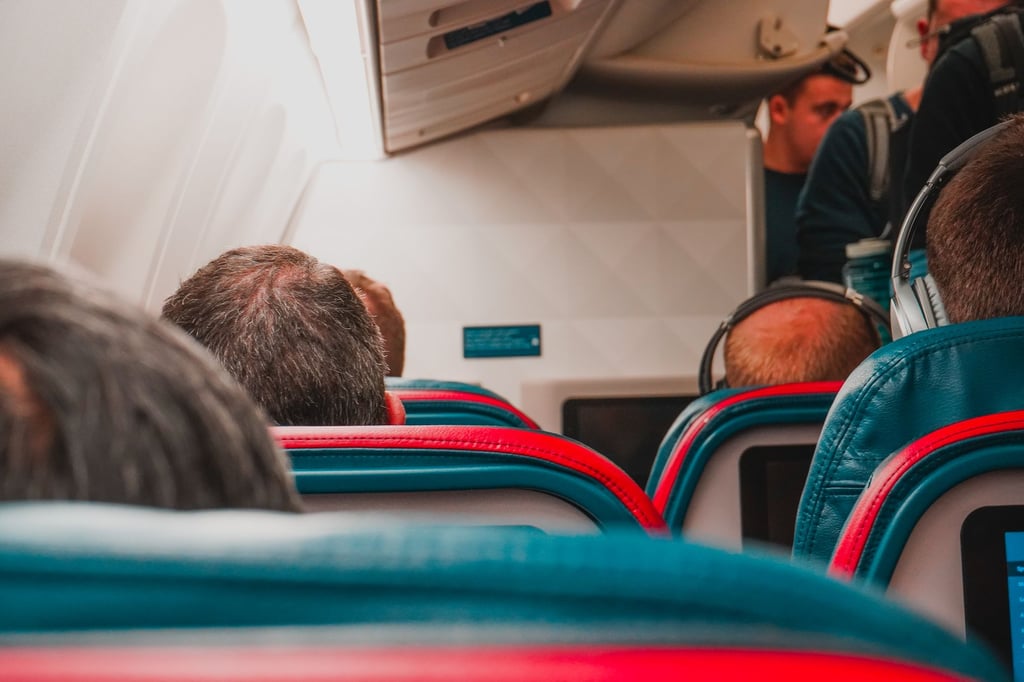
Sitting in a sealed tube with a few hundred strangers makes plenty of people wonder what they are breathing. The short answer is that aircraft ventilation is built to refresh the air constantly, though a few simple habits still help.
Where does cabin air come from?
According to Airbus, the cabin air is a mix of fresh air drawn from outside and recirculated air. Using only outside air would raise fuel use and carbon dioxide emissions, which is one reason the system recirculates part of the air. IATA, the airline trade body, describes the system as designed to run most efficiently with a balance of outside air and filtered recirculated air.
Not all of the air is recirculated into the cabin. Airbus notes that air from the toilets, galleys and cargo holds is not fed back to the passenger cabin and is vented overboard instead.
The air also moves in an organised way. Fresh air enters near the ceiling, flows down past passengers and leaves near the floor. Airbus describes the air at seat level as moving downward at a gentle speed, not sweeping along the length of the cabin.
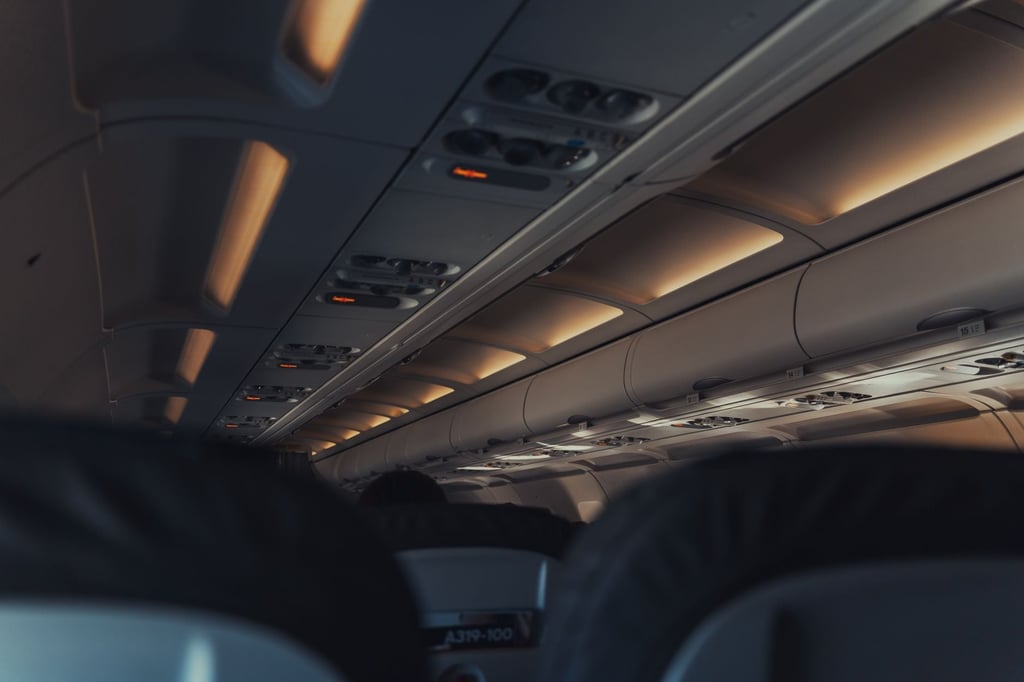
What does a HEPA filter actually do?
HEPA stands for high efficiency particulate air. A true HEPA filter is generally defined as capturing at least 99.97 percent of particles at 0.3 microns in size. That figure is a standard for the filter itself, so it should not be read as a promise about every germ in every seat on every flight.
Aircraft makers and airlines describe the real-world performance a little differently. Airbus says its HEPA filters remove more than 99.9 percent of micro and nano particles, viruses and bacteria. IATA describes HEPA filters on aircraft as capturing more than 99 percent of airborne microbes in the air passing through them, and notes that most modern large aircraft that recirculate air use them. IATA adds that a small number of older aircraft types have filters with lower efficiency.
The filters are not set and forget. Airbus says operators must check and change them at set intervals to maintain airflow.
How often is the air replaced?
Airbus says the cabin air is replenished about every 2-3 minutes in normal operation. Other manufacturers and airlines quote their own figures, and these depend on the aircraft type, so treat the number as typical rather than universal.
This quick exchange is the main reason that a plane cabin can be a reasonable place to breathe, even when it is full. Fresh and filtered air arrives continuously and used air leaves it.
Why does cabin air feel so dry?
Cabin air tends to feel drier than what most people live with at home. Airbus says that air that is too dry or too humid can be uncomfortable for passengers and crew, which is why the system has to manage humidity along with temperature, pressure and oxygen.
A dry cabin can make your eyes, lips, nose and throat feel dry on a long flight. That is about humidity and not about germs. Dry air is not the same as dirty air, and filtered, dry air can still be perfectly clean.
What can you do to feel better in flight?
You cannot change the aircraft, but small habits help.
- Drink water through the flight, especially on long routes, to counter the dryness.
- Wash your hands before you eat and after you touch shared surfaces such as tray tables. Good hand hygiene is a sensible habit in any shared space.
- Use the overhead vent if you like. It is a personal comfort choice, and many people prefer a gentle airflow.
- Carry lip balm, a saline spray or eye drops if dryness bothers you on long flights.
- Stay home if you are unwell when you can, or wear a mask if you must travel.
Common Questions
Is cabin air all recycled?
No. It is a mix of fresh outside air and filtered recirculated air, according to Airbus.
Do all planes use HEPA filters?
IATA says most modern large aircraft with recirculating systems use them, and a small number of older types have filters with lower efficiency.
What does 99.97 percent at 0.3 microns mean?
It is the standard test benchmark for a HEPA filter: capturing at least 99.97 percent of particles of 0.3 microns. It describes the filter, not any specific flight.
Why do my eyes and throat feel dry on flights?
Cabin air tends to be dry, and dry air dries the eyes and throat. It is a humidity effect, so drinking water and using a lip balm or saline spray can help.
Can I catch an illness on a plane?
Any shared space carries some risk, and close contact with a sick person matters most. Washing your hands, avoiding touching your face and staying home when unwell all help.
Should I keep the overhead vent open?
It is a matter of comfort. Many people like a gentle airflow, and you can adjust or close the vent to suit yourself.
Ready for a more comfortable flight? Search and compare flights on HappyFares, with zero convenience fee on domestic bookings, price alerts to help you book at a good time, and Meera, our AI assistant, to help you find the right flight.
Aircraft systems differ by type and operator. Verify current specifics with the airline or the aircraft manufacturer, and see a doctor for health concerns.

