
The small hole in an airplane window is a breather (bleed) hole. It sits in the middle of three panes and lets cabin air reach the gap in front of it, so the thick outer pane carries the pressure load. It also lets moisture escape, which stops the window from fogging up. It is deliberate, and it is not a leak.
Updated November 2026 · HappyFares
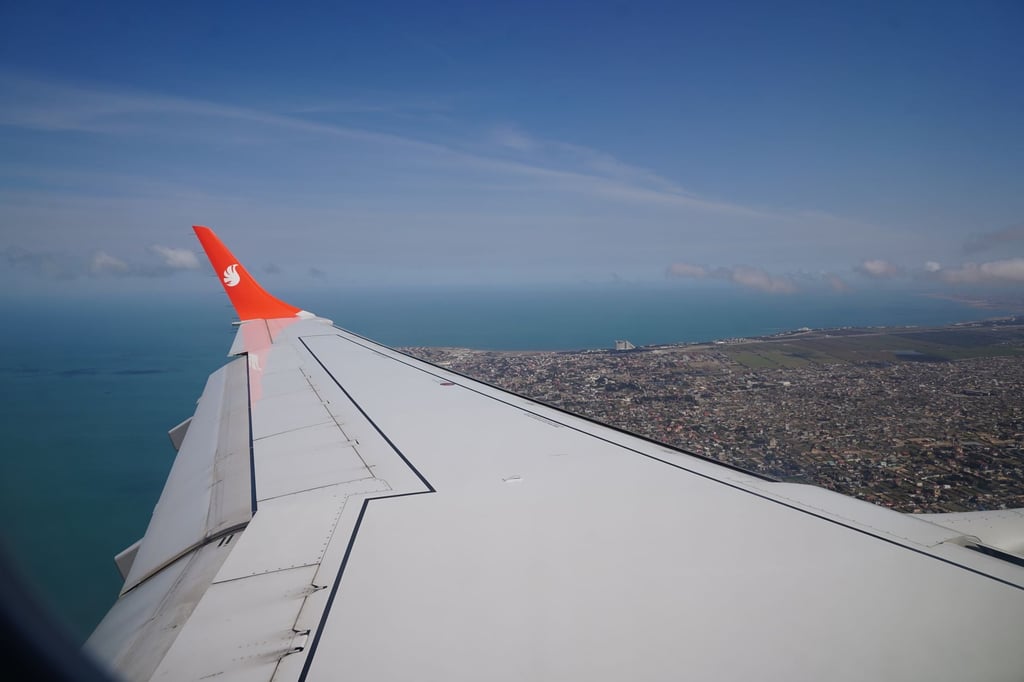
If you have ever picked a window seat and then noticed a pinprick hole near the bottom of the glass, you are not the first to wonder if it is a flaw. It is a small piece of safety design.
What is the small hole in an airplane window?
It is usually called a breather hole or bleed hole. Passenger windows are generally made of stretched acrylic rather than glass, and each window is built from three layers: an outer pane, a middle pane and an inner pane. The hole is drilled through the middle pane only, which is why you see it as a dot when you look at the window from your seat.
Many explainers place the hole low on the window, though the exact position can differ by aircraft type, so treat “near the bottom” as common rather than universal.
Why do airplane windows have three panes?
Each pane has a different job.
- Outer pane: the structural layer. It is the thicker one and is designed to carry the pressure difference between the cabin and the thin air outside.
- Middle pane: the pane with the breather hole. It acts as a backup layer in case the outer pane is ever damaged.
- Inner pane: a thin protective layer on your side. It shields the other panes from scratches and from passengers’ hands and heads, and it does not carry the cabin pressure.
Sources describing the exact role of the middle pane vary slightly in wording, so the safe summary is this: the outer pane does the heavy lifting, and the middle pane is there as a fail-safe.
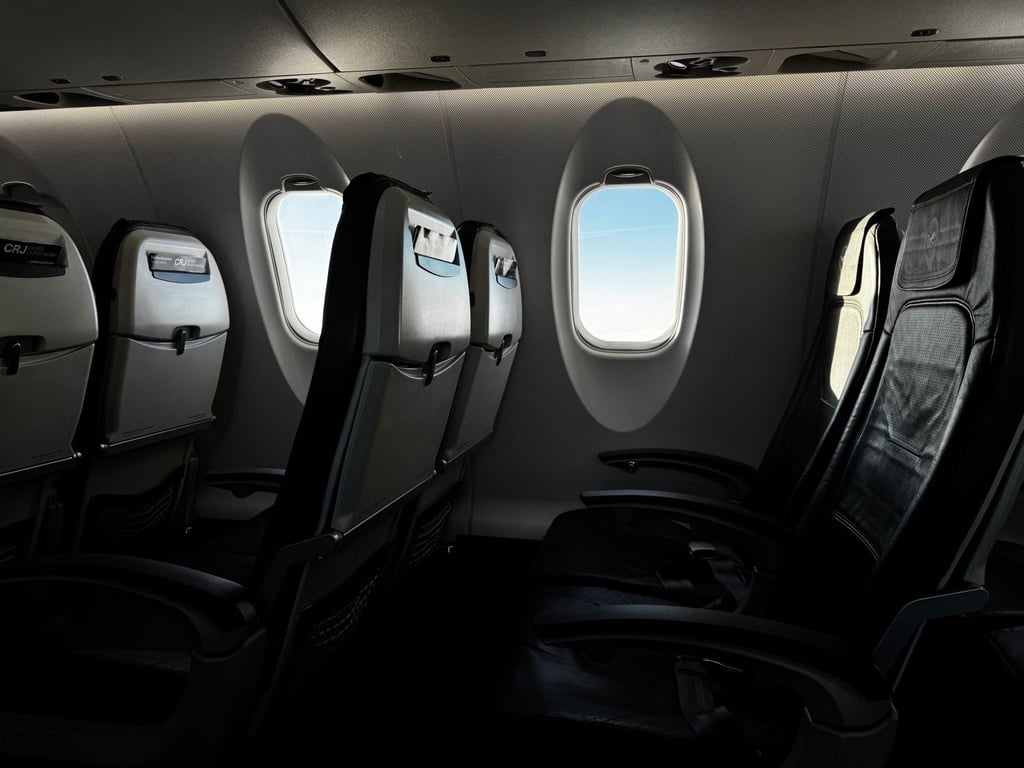
How does the breather hole share the pressure load?
At cruising altitude the cabin is kept at a much higher pressure than the air outside. Air from the cabin passes through the small hole into the gap between the middle and outer panes. That means the pressure on the two sides of the middle pane is about equal, and the outer pane takes most of the difference.
Put simply, the strongest part of the window is the part doing the work, which is exactly what you want from a safety layer.
Does the hole stop windows from fogging?
Yes, that is the second benefit. If the air gap were fully sealed, moisture trapped inside could condense on the panes and cloud your view. The hole lets that moisture escape, so the window stays clear. Think of it as the same idea as a double-glazed home window, where the middle layer of air has to stay dry for the glass to stay clear.
Is it safe, and should you worry about it?
You do not need to worry. The hole is tiny, it is a standard feature of passenger windows, and it is part of the design that lets the window cope with pressure changes flight after flight. Do not poke it or cover it with stickers. If you see a crack or anything that looks damaged on a window, tell the cabin crew.
A fun fact for the next flight: the “glass” you are looking through is usually acrylic, built up in layers for exactly this job. So the window you rest your head against is a small piece of engineering that works on every single flight, quietly, for years.
If you are curious on your next trip, look at the window from an angle. In good light you can often spot the tiny dot in the middle pane, a quiet reminder that someone thought carefully about a very small detail.
Common Questions
Is the hole in every airplane window?
It is a common feature of the multi-pane passenger windows on pressurised airliners. Designs differ by aircraft model, so the exact position and size of the hole can vary from one plane to another.
Which pane has the hole?
The middle pane. The outer pane is solid and carries the main pressure load, and the inner pane is a protective cover on the cabin side.
Can the window break because of the hole?
The hole is part of what keeps the window safe, because it makes sure the outer pane handles the load. Windows are designed with a backup layer, so a single damaged pane does not mean sudden failure.
Can I block the hole or put a sticker over it?
Please do not. The hole only works if air and moisture can pass through it, so leave the window exactly as you found it.
Does the window shade affect any of this?
No. The shade is for glare and sleep and is not part of the pressure design, so raising or lowering it makes no difference to safety.
Is it OK to rest my head on the window?
Yes. The inner pane is there to take that contact. Just avoid pressing hard on the window or the shade frame.
Want that window seat? Search and compare flights on HappyFares, with zero convenience fee on domestic bookings, then set a price alert or ask Meera, our AI assistant, to find the right fare.
Aircraft designs differ by model and rules change, so check current specifics with the airline, DGCA or the airport before you travel.

