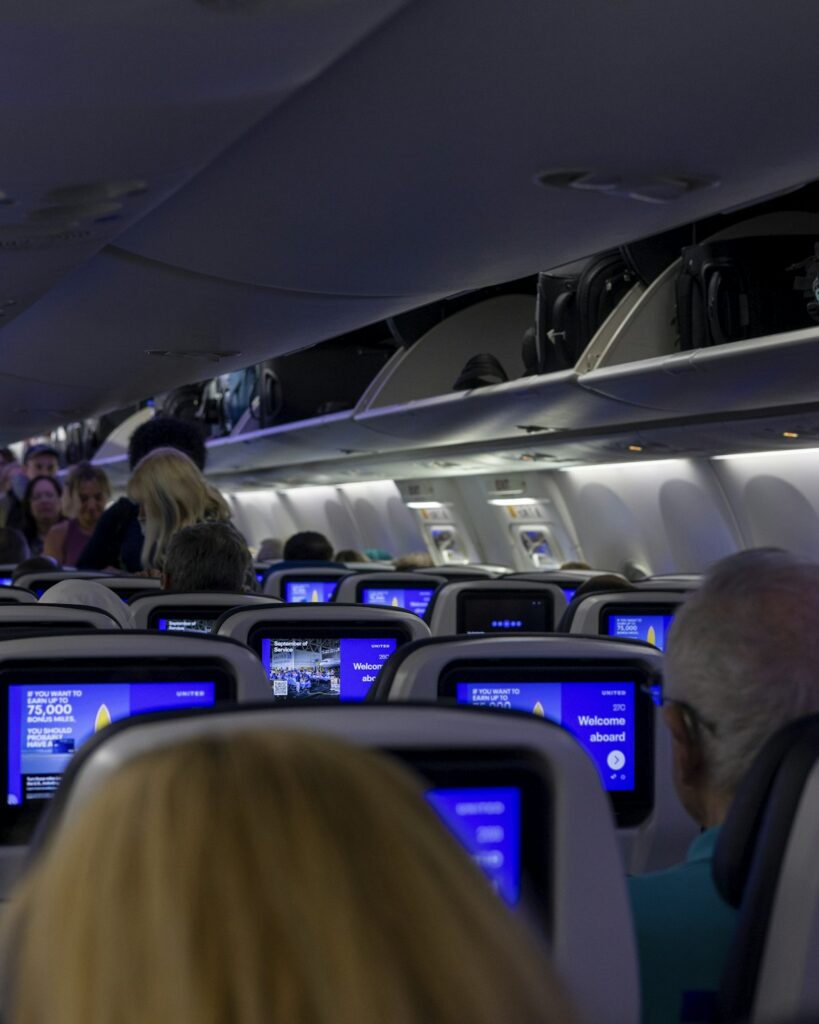
Flight diversions are rare but disruptive. When a plane lands somewhere other than its scheduled destination, most passengers have no idea what they’re entitled to. The DGCA’s Civil Aviation Requirements and the Air Passenger Charter define your rights clearly, but airlines don’t always proactively communicate them. This guide explains what the rules say and what you can practically expect in 2026.
> **TL;DR:** If your flight diverts in India, the airline must provide meals and refreshments for waits over 2 hours, accommodation for overnight delays, and rebooking at no extra cost. These obligations apply under the DGCA’s Air Passenger Charter and CAR Section 3, Series M. Keep your boarding pass and document everything from the first minute.
What Is a Flight Diversion?
A flight diversion occurs when an aircraft is redirected to land at an airport other than its planned destination. According to the DGCA’s published safety statistics, diversions occur for several reasons: medical emergencies on board, severe weather at the destination, technical faults requiring immediate landing, security threats, airport closures due to accidents, and in some cases, regulatory non-compliance (such as an unauthorized passenger or cargo issue). In India, weather diversions are the most common operational cause, followed by technical and medical reasons.
Diversions are different from long delays at the original departure airport. When a diversion occurs, the aircraft has already departed and lands somewhere unexpected. The passenger’s situation is different from a pre-departure delay: you’re now at an unplanned airport, possibly far from home or your destination, and the airline has specific obligations under Indian aviation rules.
What Does DGCA Say About Diversions?
The Directorate General of Civil Aviation governs airline obligations through the Civil Aviation Requirements (CAR) Section 3, Series M. The Air Passenger Charter, maintained by the Ministry of Civil Aviation, summarises these rights for consumers. According to these rules, when a flight is diverted, the operating airline is responsible for the care of all passengers from the moment the diversion is confirmed until they reach their booked destination or are offered a refund.
The care obligations are not optional. Airlines cannot waive them through terms and conditions, and passengers cannot be asked to sign away these rights. If an airline fails to provide what the rules require, passengers can file a complaint with the DGCA through the AirSewa portal (airsewa.gov.in) or through the National Consumer Helpline.
Are You Entitled to Meals and Refreshments When Your Flight Diverts?
Yes. Under DGCA’s duty of care provisions, if a diversion results in passengers waiting more than 2 hours beyond the scheduled arrival time at the destination, the airline must provide meals and refreshments appropriate to the duration. This applies whether you’re waiting at the diversion airport in the aircraft, at the gate, or in a holding area.
In practice, what this looks like varies. On domestic diversions, airlines typically provide meal vouchers redeemable at the airport terminal. On international diversions at foreign airports, airlines work with their ground handlers to organise food. The quality and speed of this provision depends heavily on the airport’s facilities and the airline’s ground presence there.
If the airline fails to provide meals and you purchase food yourself, keep all receipts. You can file for reimbursement under the duty of care provisions. However, reimbursement claims are more easily processed when you have documented proof of the airline’s failure to provide and your own expenditure in response.
What Accommodation Is the Airline Required to Provide?
If the diversion results in an overnight stay being necessary, the airline must arrange and pay for hotel accommodation for all diverted passengers. According to CAR Section 3, Series M Part IV, this includes hotel accommodation appropriate to the duration of the delay and transport between the hotel and the airport. You should not be expected to book and pay for your own accommodation and then seek reimbursement, though in operational chaos at a small diversion airport, this may happen in practice.
If the airline fails to arrange accommodation and you book your own, retain all receipts and submit a formal written claim to the airline’s customer care department within 30 days. Reference the relevant DGCA provision in your claim letter. Airlines are more likely to settle reasonable accommodation claims when passengers reference the specific regulatory obligation rather than writing a general complaint.
Accommodation obligation applies to all passengers regardless of their class of travel. A passenger in economy class is entitled to accommodation in the same way as a business class passenger. The airline is not required to provide the same hotel tier as their class of travel, but the accommodation must be reasonable and not in a location that is inaccessible or unsafe.
Can You Get Rebooking at No Cost When a Flight Diverts?
Yes. Passengers on diverted flights are entitled to be rebooked on the next available flight to their ticketed destination at no additional cost. The airline must offer this option. If the only available flight to your destination is on another carrier, the airline is obligated to book you on that alternative, again at no cost to you.
If no alternative flight is available within a reasonable timeframe and you no longer wish to travel, you are entitled to a full refund of the unused portion of your ticket. The airline cannot charge a cancellation fee in this situation, since the disruption is not of your making. Document your request in writing (email or written acknowledgement from airline staff) to create a record.
What About Diversions Due to Bad Weather or Air Traffic Control?
Weather diversions and ATC-related diversions fall under “extraordinary circumstances” in DGCA’s framework, similar to the EU261/2004 approach in Europe. Airlines are not required to pay financial compensation (beyond duty of care) for diversions caused by extraordinary circumstances outside their operational control.
However, the duty of care obligations still apply. Even if the airline cannot pay compensation for a weather diversion, they must still provide meals, accommodation, and rebooking. The distinction is between compensation (payment for the inconvenience) and duty of care (practical welfare obligations). Extraordinary circumstances eliminate the former but not the latter.
In contrast, if a diversion is caused by a technical fault that the airline knew about before the flight departed, or that arose from poor maintenance, this may not qualify as an extraordinary circumstance. In these cases, passenger rights to financial compensation are stronger. The distinction can be disputed, and the airline’s first response is typically to classify all diversions as extraordinary circumstances. If you believe your diversion was due to an airline-controllable issue, escalate through DGCA AirSewa and be prepared to press your case.
What Should You Do the Moment Your Flight Diverts?
- Stay calm and listen to crew instructions. Panic doesn’t help and delays the crew’s ability to manage the situation efficiently.
- Do not leave the airport without official guidance from the airline. If you leave the airport unilaterally, you may complicate your rebooking options.
- Get something in writing immediately. Ask airline staff for a written document confirming the diversion, the cause (if known), and the airline’s plan for onward travel. Even a written note from the airline’s ground staff will do.
- Keep your boarding pass. This is your proof of the booking and flight you were on. Do not discard it.
- Note the time of the diversion and every communication with airline staff. Times, staff names (or uniform numbers), and what you were told are all useful if you need to file a complaint later.
- Contact your travel insurance provider. If you have travel insurance, notify them immediately. Most policies have a claim notification window and require timely reporting of the event.
Can You Claim Compensation for a Flight Diversion in India?
India’s passenger compensation framework for diversions is less defined than, for example, the EU’s EC261/2004 regulation. In Europe, a diversion equivalent to a cancellation can trigger compensation of 250 to 600 euros depending on flight distance. In India, the DGCA’s rules focus more on duty of care than on financial compensation for delay or diversion per se.
That said, if a diversion causes you to miss a connecting flight, arrive significantly late at your destination, and suffer consequential losses (missed hotel bookings, business meetings, or events), you can file a complaint with the DGCA through the AirSewa portal and with the National Consumer Forum. Airlines have settled reasonable claims for consequential losses in consumer forums, particularly where the diversion was caused by airline-controllable factors.
Frequently Asked Questions
Does a diversion count as a cancellation for refund purposes?
If you are diverted and cannot reach your booked destination within a reasonable time, and you no longer wish to travel, the unused portion of your ticket qualifies for a refund under DGCA’s rules. The airline should not charge a cancellation fee in this case. If you accept rebooking and travel on the alternative flight, the ticket is considered fulfilled and a refund is not applicable for the portion used. Keep this in mind when deciding whether to accept rebooking or request a refund.
What if I miss a connecting international flight because of a diversion?
If the connecting flight was booked on the same ticket (same PNR or interlined ticket), the airline that caused the diversion is responsible for rebooking you on the onward connection at no cost and for providing duty of care during the wait. If the connections were on separate tickets, the situation is more complex: the second airline has no contractual obligation to accommodate you, and the responsibility for claiming from the first airline for consequential costs falls to you. This is one of the key risks of booking separate-ticket connections.
What is the DGCA AirSewa portal and how do I use it?
AirSewa (airsewa.gov.in) is the DGCA’s official passenger grievance portal. You can file complaints about airlines for violations of passenger rights, including failures to provide duty of care during diversions. Create an account, select the airline and incident type, provide the flight details, and describe the complaint. The DGCA typically forwards the complaint to the airline and follows up. Resolution times vary, but having a formal complaint on record strengthens your position in any subsequent consumer forum case.
Know Before You Fly
A flight diversion is stressful, but knowing your rights in advance removes some of the uncertainty. You’re entitled to meals, accommodation, and rebooking regardless of why the flight diverted. Document everything from the moment it happens. File through AirSewa if the airline doesn’t comply. And if you regularly travel for work or carry expensive bookings, ensure your travel insurance covers diversion-related expenses. For your next booking, go to happyfares.in.