
It depends on whether the device has a battery. Non-motorised skateboards and roller skates are ordinary items that usually travel in checked baggage or, if small enough, in a cabin bag. Battery-powered devices are stricter: IndiGo does not accept hoverboards and balance wheels as baggage, and e-scooters depend on battery size and airline approval. Ask your airline before you pack.
Updated November 2026 · HappyFares

Gifting a skateboard, taking skates on a holiday or flying with an e-scooter for commuting? The rules split into two groups: devices with lithium batteries, and plain wheels and boards.
Can you fly with a skateboard or roller skates?
Non-motorised skateboards and roller skates have no battery, so the battery rules do not apply to them. The practical questions are size and weight. A skateboard or a pair of skates is usually simplest in checked baggage, where it counts towards your allowance like any other item. A small board or a pair of skates that fits inside your cabin bag size limit may be allowed in the cabin, but a full-size deck is awkward and the security screener has the final say.
For reference, IndiGo publishes a cabin bag limit of 7 kg and maximum dimensions of 55 x 35 x 25 cm. A standard skateboard deck is longer than that, which is why most people check it. If you check it, wrap the wheels and trucks, since hard parts can scratch or puncture other luggage.
We did not find any Indian airline page that names skateboards or roller skates specifically, so treat the above as general practice and confirm with your airline. If your skates have removable blades or a built-in tool, keep those out of the cabin bag.
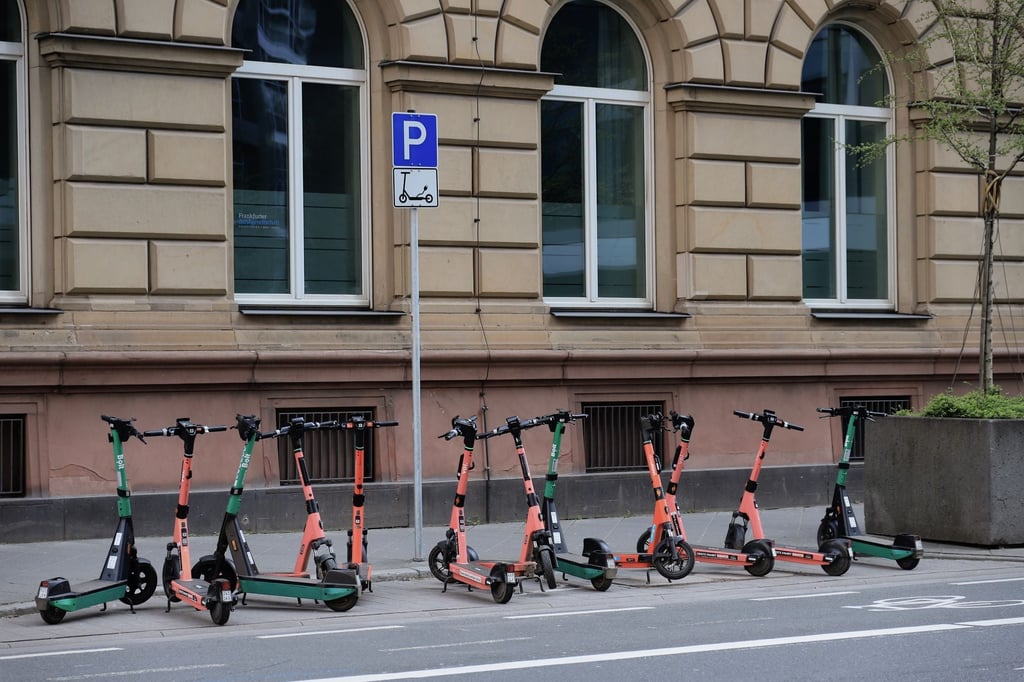
Are hoverboards and balance wheels allowed?
Generally no. IndiGo’s baggage policy states that battery-operated hoverboards, balance wheels and solo wheels are not permitted as baggage. Air India’s cabin baggage guidance likewise lists lithium battery-powered self-balancing devices among items that must not be carried. The reason is the lithium battery inside, which is the same concern behind the rules on power banks.
Did you know? IATA explains that if a battery fire starts in the hold of an aircraft, the crew cannot take immediate action to identify and extinguish it. That is why lithium batteries are managed so tightly, and why spare batteries and power banks are meant to be with you in the cabin, not in checked baggage.
What about electric scooters?
Electric scooters are the grey area, because we found no Indian airline page that names e-scooters specifically. What exists is general battery guidance. IATA’s traveller guidance says batteries up to 100 Wh are generally allowed in carry-on baggage, 100 to 160 Wh may be allowed with airline approval, and above 160 Wh are usually not permitted on passenger aircraft. Most commuter e-scooters carry larger battery packs than a power bank, so many fall in the approval or not-permitted range, and the battery is often fixed inside the frame.
Airlines apply their own policies on top of IATA’s guidance, and IndiGo’s list of prohibited items includes small lithium battery-powered vehicles of the hoverboard and mini-segway type. The safest approach is to check the battery capacity printed on the scooter or in its manual, and then ask your airline in writing whether it will accept the device before you buy a ticket for it. If the answer is no, you will need another way to move it, since the airline will not carry it.
What about power banks and spare batteries?
Power banks and spare lithium batteries belong in cabin baggage, not checked baggage. IATA says never to place spare batteries or power banks in checked baggage, and IndiGo’s policy also states that power banks and loose lithium batteries are allowed only in hand baggage. This applies to spare batteries for cameras, handheld lights and similar accessories you may bring along with your board or scooter gear.
In India, DGCA also moved in January 2026 to bar the use of power banks to charge devices in flight, according to news reports at the time. Reports said the use of power banks to charge other devices, and connecting them to seat power, was barred. Carry yours in your hand baggage, but do not plan to charge from it on board.
- Check the Wh rating printed on any battery, and carry the details with you.
- Protect terminals with tape or keep the battery in its original packaging or a pouch.
- Do not check any spare battery or power bank.
How do you pack skates and boards safely?
Keep it simple. Remove any detachable battery lights and take them in your cabin bag, pad the wheels, and put the board between soft items inside your suitcase or in a sturdy sleeve. Reach the airport a little early in case the item has to go to an oversized drop point. If your board has a motor and a battery, do not pack it at all until the airline has confirmed in writing.
Common Questions
Can I take a skateboard on a flight in India?
Usually, yes, as checked baggage. A small board that fits your cabin bag limit may be allowed, but security staff have the final say.
Are roller skates allowed in cabin baggage?
They have no battery, so they are not covered by the lithium rules. A pair that fits inside your cabin bag within the airline’s size and weight limit is typically fine, but many people check them.
Can I carry a hoverboard on IndiGo?
No. IndiGo’s baggage policy says battery-operated hoverboards, balance wheels and solo wheels are not permitted as baggage.
Can I take an electric scooter on a plane?
It depends on the battery and the airline. IATA’s guidance puts batteries above 160 Wh as usually not permitted on passenger aircraft, and 100 to 160 Wh may need airline approval. Ask before you fly.
Can power banks go in checked baggage?
No. IATA says power banks and spare batteries should never be placed in checked baggage. Keep them in your cabin bag.
Can I use a power bank during the flight?
Reports from January 2026 said DGCA barred using power banks to charge devices in flight. Check the airline’s current instructions on the day.
Search and compare flights on HappyFares before you pack the board. We charge zero convenience fee on domestic bookings, and you can set a price alert for your route.
Battery and baggage rules change. Verify current specifics with your airline, DGCA or the airport before you travel.

