
Both. Autopilot is a tool that holds a heading, altitude or flight path that the pilots set. Pilots usually hand fly the takeoff, often use automation in the climb and cruise, and may hand fly or use the autopilot on approach. Autoland systems exist for low-visibility landings, but the crew supervises them and stays ready to take over.
Updated November 2026 · HappyFares
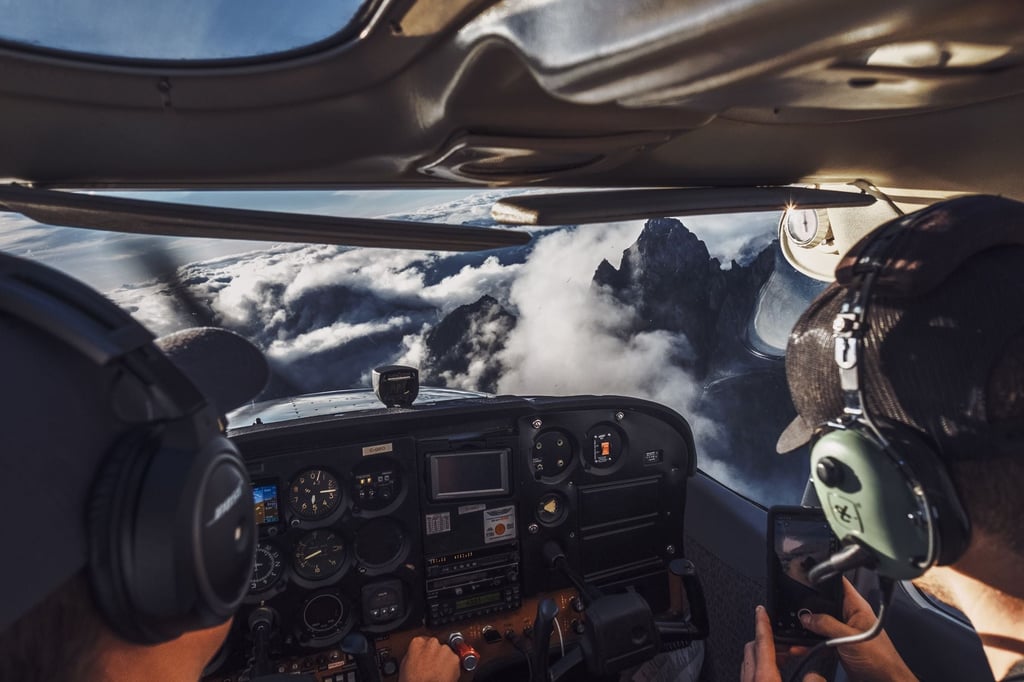
Many passengers picture a cockpit where the plane flies itself and the pilots watch. The reality is more interesting: automation does a lot of the steady work, while the pilots make the decisions and handle the busiest moments.
What does an autopilot actually do?
An autopilot is a system that controls the aircraft’s flight path according to inputs the pilots give it. It can hold a chosen altitude, follow a heading or a programmed route, and keep a set speed. It does not decide where to go, and it does not understand the situation around it. Pilots tell it what to do and check that it is doing it.
Think of it as a very precise helper for the repetitive part of the job. Holding a plane level in smooth air for hours is tiring for a human and easy for a machine, which frees the crew to monitor weather, fuel, traffic and radio calls.
Who flies each phase of a flight?
The exact split depends on the airline, the aircraft, the airport and the weather. Still, a typical flight looks like this.
- Taxi and takeoff: Taxiing is done by the pilots by hand. Takeoff is generally hand flown, with the pilot controlling the aircraft through the first part of the climb.
- Climb: The autopilot is usually engaged soon after takeoff, once the aircraft is established in the climb. Regulations and company procedures set the minimum height for engaging it, and that varies.
- Cruise: This is the phase where automation does most of the work. The pilots monitor systems, navigation and weather, and update the plan as needed.
- Descent and approach: The autopilot can fly the descent and the approach, or the pilots can disconnect it and hand fly. The choice depends on conditions and airline policy.
- Landing: Many landings are flown by hand, and some are flown by the automatic landing system. Taxi to the gate is again by the pilots.
Can an aircraft land itself?
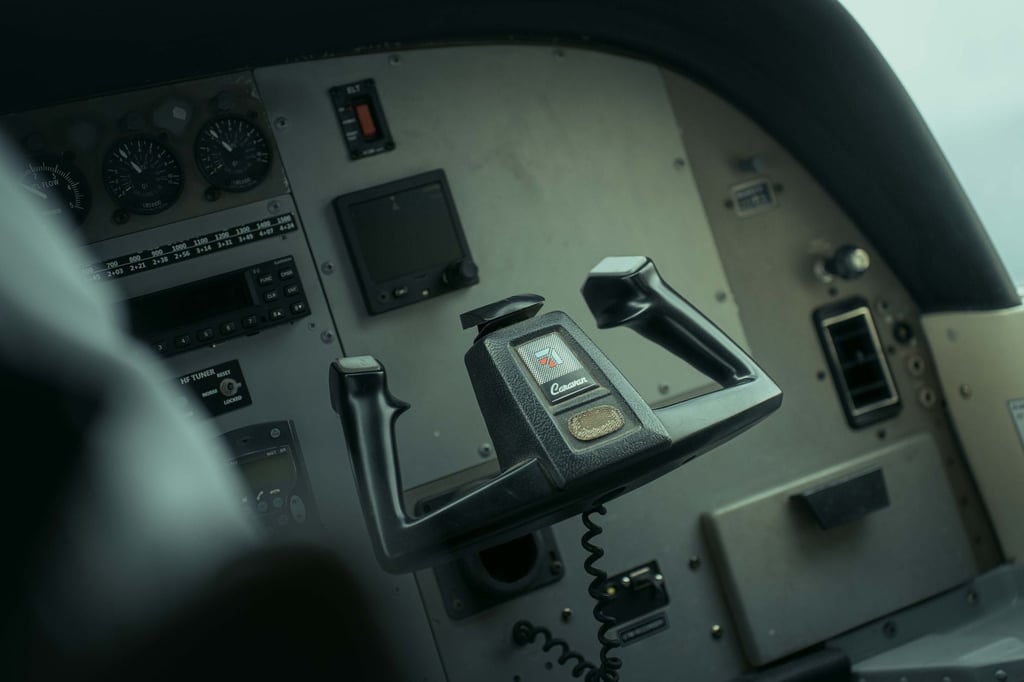
Yes, some can. This is called autoland, and the system flies the final approach and landing automatically while the crew supervises. Its main purpose is to allow landings in very poor visibility, such as dense fog, when pilots may not see the runway until very late. Autoland is tied to low-visibility approach categories, often called CAT III, and it needs suitably equipped aircraft, runways and trained crews.
A light aviation fact: for the final moments of an autoland, the aircraft relies on a radio altimeter, which measures the height above the ground very precisely, so that the aircraft can level out and touch down smoothly. Even then, the pilots are watching the system, monitoring the aircraft’s path and ready to take over if something does not look right.
Autoland is not used on every landing. On a clear day, most airlines let pilots hand fly the landing, partly because practice keeps skills sharp. Autoland is also not available at every airport or on every aircraft type.
Why do airlines still want pilots to hand fly?
Because skills fade without use. Aviation regulators and industry groups have discussed the risk of pilots losing hand flying skill when automation does most of the work. The US Federal Aviation Administration has encouraged more manual flying, particularly during departure and other critical phases, as a way to keep those skills current.
Airlines also train pilots for automation failures. If a system disconnects or gives unexpected results, the pilots are expected to fly the aircraft manually and to do it well. That is why simulator sessions regularly include exercises where automation is removed.
What does this mean for you as a passenger?
For most travellers, the practical answer is reassurance. The aircraft is designed so that automation and pilots work as a team, each covering the other’s weak points. Automation is excellent at precision and consistency. Pilots are excellent at judgement, adapting to the unexpected, and communicating with air traffic control and the cabin crew.
If you notice a firm landing, that does not necessarily mean anything went wrong. Landings vary with wind, runway conditions and the aircraft type, and whether the autopilot was used on approach says little about how soft the touchdown feels.
Common Questions
Do pilots hand fly takeoff?
Generally yes. Takeoff is usually hand flown, with the autopilot engaged later in the climb.
Does autopilot fly the plane for the whole flight?
No. It flies much of the cruise phase, but pilots are involved in every phase, from planning and monitoring to decisions about route, weather and landing.
Can a plane land without pilots touching the controls?
Aircraft equipped with autoland can complete the landing automatically, with the crew supervising. It is used mainly in low visibility.
What is CAT III?
CAT III refers to the most demanding categories of low-visibility instrument approach. They require approved aircraft, runways and crew training, and they usually end in an automatic landing.
What happens if the autopilot fails?
The pilots fly the aircraft manually. Training and procedures cover this situation, and simulator sessions practise it regularly.
Is hand flying safer than autopilot?
Neither is safer in every case. Each is suited to different phases and conditions, and airlines train crews to use both appropriately.
Curious where to fly next? Search and compare flights on HappyFares, with zero convenience fee on domestic bookings, price alerts and Meera, our AI assistant, to help you find a good fare.
Procedures differ by airline, aircraft and airport, and regulations change. This is a general explainer, so verify specifics with the airline, DGCA or the relevant aviation authority.

