
Plastic wrapping is an optional extra, not a requirement. We found no DGCA or BCAS rule that makes you wrap a checked bag. It can protect against scuffs, loose zips and casual tampering, but it does not make fragile contents safe, and security staff may cut it open if they need to inspect the bag. Whether it is worth paying for depends on your bag and your route.
Updated November 2026 · HappyFares
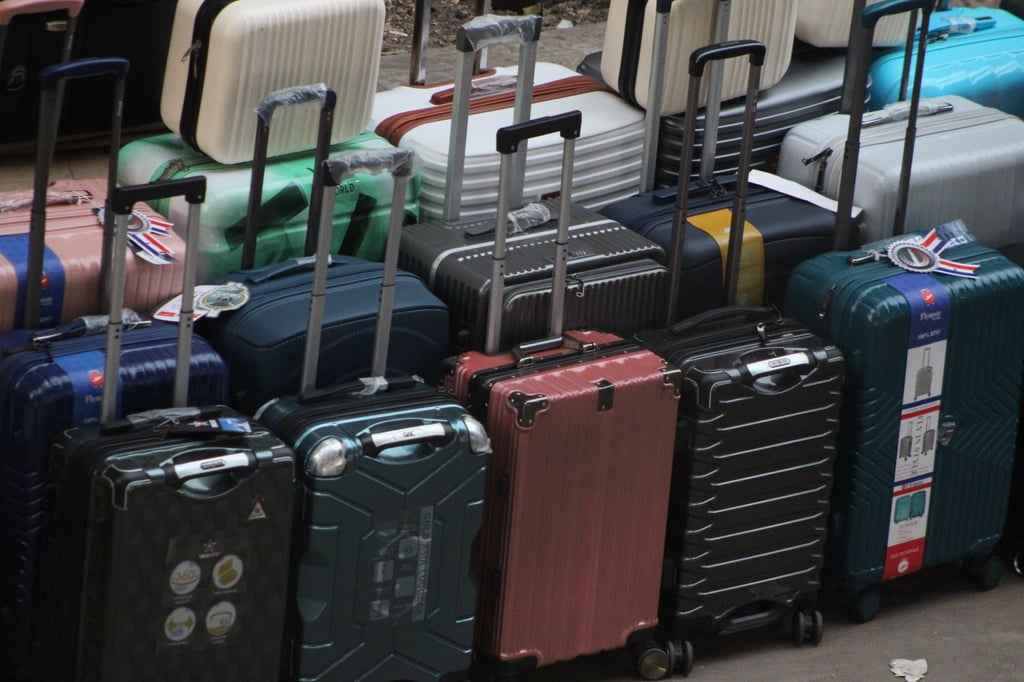
At many airports you will see a counter or a machine offering to wrap your suitcase in film for a fee. Before you pay, it helps to know what wrapping actually does and what it leaves untouched.
Is plastic wrapping mandatory at Indian airports?
No. In our research we found no DGCA, BCAS or airline rule that requires passengers to wrap checked baggage on Indian flights. The services you see at airports are optional extras offered by private operators. If a counter tells you wrapping is compulsory, ask the airline check-in desk directly, because the airline is the party that accepts your bag.
It is worth saying that rules differ across countries. Some airports abroad have had their own wrapping policies. Do not assume a rule from another country applies on an Indian flight, and check the airline or airport if you are unsure for an international journey.
Prices for wrapping vary from airport to airport and are set by whoever runs the service, so we are not quoting any figure here. If you decide to use it, look for a posted rate before you hand over the bag.
What does wrapping actually protect against?
Wrapping is a thin film around the outside of the bag. That gives it a few real, modest benefits.
- Scuffs and light scratches on the shell or fabric, and some protection from rain or a wet apron.
- Loose or snagged zip pullers, straps and tags, since the film holds them against the body of the bag.
- A visible sign if a bag has been opened, because torn film is easy to spot.
- Bags with broken locks or weak zips, where the film adds a basic hold until you reach home.
What it does not do is cushion the contents. A film around a suitcase will not stop a camera lens, a bottle or a ceramic gift from breaking if the bag is dropped or squeezed under other luggage. For that, padding inside the bag is what counts.
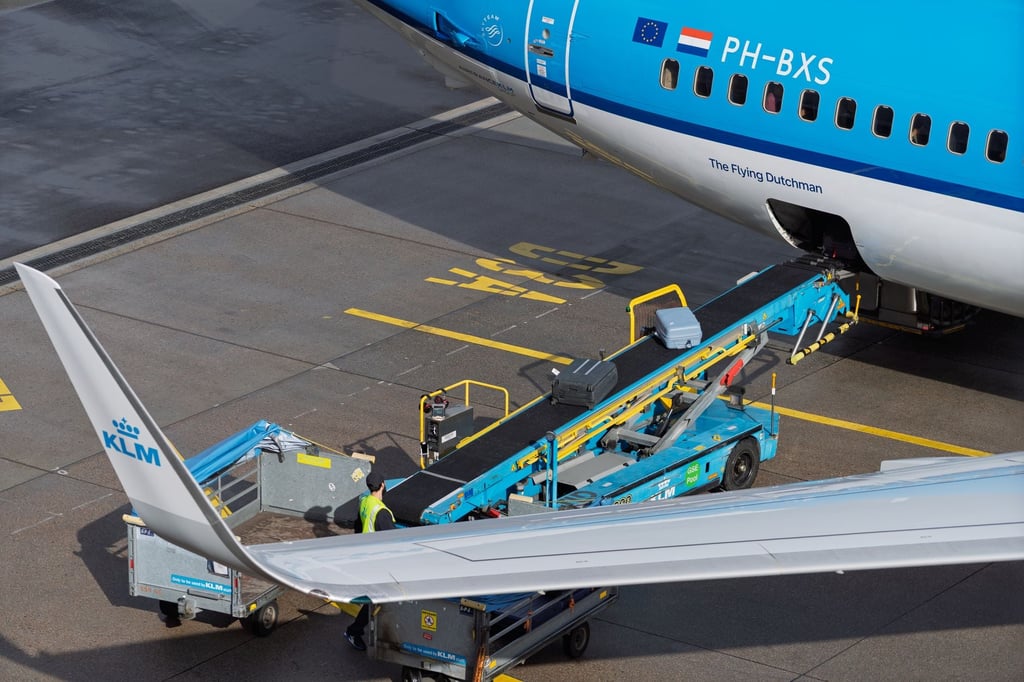
Will security cut the wrapping open?
It can happen. Checked bags are screened, and if the screening flags something, staff may need to open the bag to inspect it. In that case the film is usually cut, because it cannot be removed otherwise. This is a normal part of security, and a cut film is not a sign of a problem with your bag.
A helpful habit is to keep your own lock and to leave the bag unlocked only if the airline or airport instructs you to. Also keep a copy of the contents list on your phone. If something goes missing, an itemised list makes any later complaint easier to handle.
Who is responsible if a wrapped bag is damaged?
Wrapping does not change the airline’s duty, and it does not guarantee a claim will succeed. Each airline publishes conditions of carriage that set out what it will compensate. IndiGo’s baggage page, for example, recommends that fragile, perishable and valuable items be carried in cabin baggage rather than checked baggage, and its conditions of carriage describe how damage to checked baggage is treated.
For international journeys, the Montreal Convention applies in India through the Carriage by Air (Amendment) Act, 2009, and it sets limits on the airline’s liability for baggage. The exact limit is revised from time to time, so check the current figure with your airline or the official notification before relying on a number. For domestic flights, the airline’s own conditions of carriage apply along with Indian rules on carrier liability, and the details and rupee limits can vary, so read your airline’s current policy.
A practical point: report damage at the airline’s baggage counter before you leave the arrivals hall, and get a written report. Airlines typically ask for prompt reporting, and claims are harder to pursue without a record made at the airport.
When is wrapping worth it, and what are the alternatives?
Wrapping is most useful for soft-sided or older bags with weak zips, for bags with straps and handles that can snag on conveyors, and for trips with a long journey through several airports. It is less useful for a sturdy hard-shell case that you already lock.
The alternatives are inexpensive. Use a strong bag with a good zip, add a luggage strap, fill the empty space so contents do not shift, and put fragile or valuable items in your cabin bag as the airline advises. A distinctive tag or ribbon also helps you spot your bag at the belt.
Common Questions
Does wrapping stop theft?
It makes tampering more visible, but it is not a security measure. It will not stop someone determined to open the bag, and it does not replace a lock or sensible packing.
Can I refuse wrapping if the staff insist?
We found no rule that requires it on Indian flights. If you are pressed, ask for the rule in writing or raise it with the airline’s check-in staff.
Will the airline pay if my wrapped bag is damaged?
That depends on the airline’s conditions of carriage and the nature of the damage. Fragile items and normal wear are often treated differently from loss or major damage, so read the airline’s policy.
Should I pack fragile items in checked baggage if I wrap it?
Not if you can avoid it. Airlines such as IndiGo recommend carrying fragile and valuable items in cabin baggage.
Is the film recyclable?
It depends on the film and the local facilities. Many airports have no collection point for it, so ask the operator.
Do I need to wrap a hard-shell suitcase?
Usually not. A sturdy hard case with a working lock gains little from film beyond protection against scuffs.
Ready to book your next trip? Search and compare flights on HappyFares, with zero convenience fee on domestic bookings, price alerts and Meera, our AI assistant, to help you find a good fare.
Rules and fees change. Verify current specifics with your airline, DGCA, BCAS or the airport before you travel.

