
Yes, in most cases. Mosquito repellent creams, lotions and roll-ons can go in cabin baggage if each container is 100 ml or less, and patches are usually treated as ordinary toiletries. Pressurised sprays are more restricted, and burning coils are best left behind. Airlines set the final rules, so check your carrier’s dangerous goods list before you pack.
Updated November 2026 · HappyFares
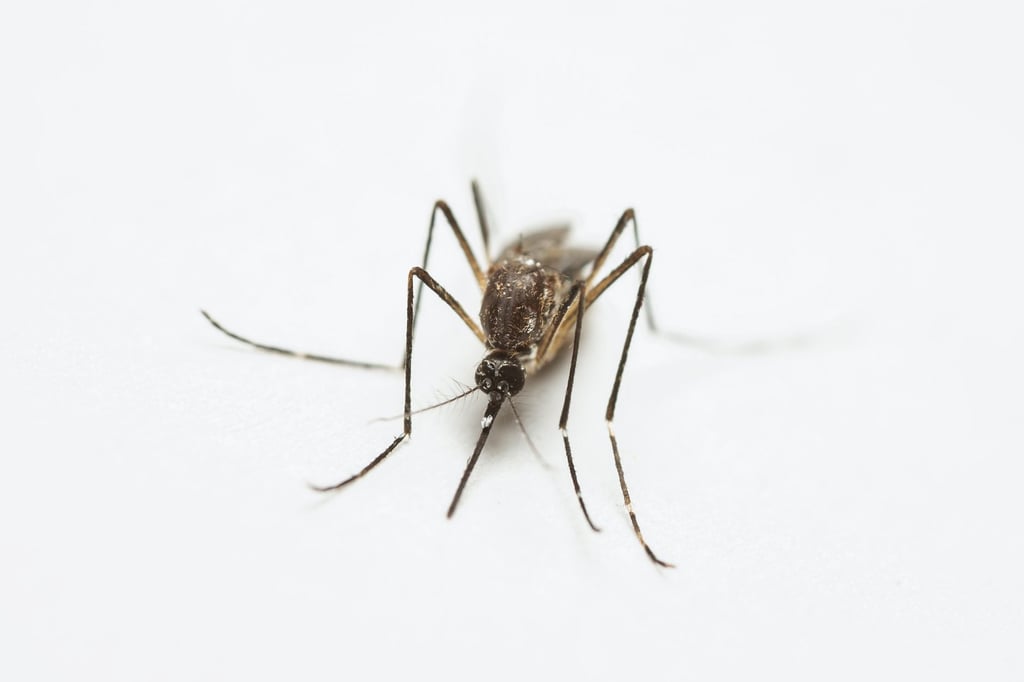
Mosquito repellent is one of those small items that suddenly feels like a security question at the airport gate. Here is how the common forms are usually treated on Indian flights, and where you should double-check.
What is the basic rule for liquids and gels in cabin baggage?
Indian airport security follows the 100 ml rule for liquids, aerosols and gels in cabin baggage. An airport security page that cites the Bureau of Civil Aviation Security (BCAS) says liquids may only be carried in containers not greater than 100 ml each in hand baggage. Air India’s own cabin baggage guidance says the same: each container must be 100 ml or less, and a larger container is not accepted even if it is only partly filled.
That matters for repellent because the limit is about the size of the container, not how much is left inside. A half-empty 200 ml bottle still counts as a 200 ml bottle. If your repellent is in a large bottle, decant it into a small travel bottle or pack it in checked baggage instead.
Can you carry repellent creams, roll-ons and patches?
These are the easiest forms to travel with. Creams, lotions and gels are treated like other toiletries, so the 100 ml per container limit applies in the cabin. Roll-ons and sticks follow the same logic. Put them in your cabin bag within that size, or pack larger tubes in checked baggage.
Wearable patches and wristbands are dry, solid items, so they are generally not a concern. They are best kept in their sealed packet so that the scent does not spread through the rest of your bag. If a screening officer wants a closer look, an unopened pack is easier to explain.
- Cream, lotion or gel: usually fine, 100 ml or less per container in the cabin.
- Roll-on: usually fine on the same terms.
- Patches and wristbands: generally treated as ordinary items.
- Larger bottles: pack in checked baggage.
What about aerosol and spray repellents?
Aerosols are where the rules get stricter. Air India’s cabin guidance specifically lists hair spray and similar aerosols among the items you should avoid carrying above 100 ml. In the cabin, a small personal-size can within that limit is the safest choice.
For checked baggage, the FAA in the United States publishes a useful reference. It allows body-applied insect repellent aerosols as a toiletry item in both carry-on and checked bags, with the nozzle protected and a total quantity limit of about 2 kg or 2 litres per person in checked baggage. The same FAA guidance does not extend that exception to insecticides designed to be sprayed in the air or at insects, such as room or fly sprays. Those are generally not accepted in either bag.
That is a United States rule, not an Indian one, but airlines worldwide base their dangerous goods lists on the same international standards. So the practical advice holds for Indian flights too: a personal body spray is usually acceptable in small quantities, while a room insecticide spray should stay at home.
Can you carry mosquito coils?
A mosquito coil is designed to be lit and left to smoulder. That makes it a poor fit for a bag on an aircraft. We could not find an airline or regulator page that gives a clear yes or no for coils specifically, so the careful approach is to leave them at home and buy a fresh pack at your destination. They are cheap and sold almost everywhere.
If you do carry a coil, never light one in a hotel room that is not ventilated, and never anywhere near an aircraft or airport. Electric vaporiser refills are a separate category: a liquid refill would generally follow the container size rules above, and your airline can confirm the rest.
How can you avoid problems at security?
A few habits keep things smooth. Keep repellent in a clear pouch near the top of your bag so it is easy to show. Check the container size printed on the label, because that is what screeners look at. Avoid anything labelled flammable if you can, since repellents with a flammable warning tend to draw more questions.
Keep caps and nozzle guards on throughout the journey, since protected nozzles are part of the conditions in the FAA guidance mentioned above.
Finally, remember the destination. If you are heading to an area with dengue or malaria risk, a repellent suited to the local conditions is worth carrying. Your doctor can advise on the right product for your trip.
Common Questions
Is a 200 ml repellent bottle allowed in cabin baggage?
Usually not. The 100 ml per container rule applies to the size of the container, even if it is only partly filled. Pack it in checked baggage or move some into a small bottle.
Can I carry mosquito repellent in checked baggage?
Creams, lotions and roll-ons are generally fine. Small personal aerosols are usually accepted in limited quantities, but check your airline’s dangerous goods list for the exact allowance.
Are mosquito patches allowed on a flight?
Patches and wristbands are generally treated as ordinary items and are not usually an issue. Keep them in sealed packaging.
Can I bring a mosquito coil on a plane?
We could not confirm a clear rule, and coils are meant to burn, so it is better to leave them behind and buy one at your destination.
Are room insect sprays allowed?
Generally no. Aerosols designed to be sprayed in the air or at insects are generally not accepted in cabin or checked baggage under FAA and TSA guidance, so check your airline’s dangerous goods list.
Who decides if an item is allowed?
The security officer and the airline have the final say on the day. Rules come from BCAS and each airline’s dangerous goods policy, so check your carrier before you pack.
Planning a trip? Search and compare flights on HappyFares, with zero convenience fee on domestic bookings, price alerts and Meera, our AI assistant, to help you find a good fare.
Rules and fees change. Verify current specifics with your airline, DGCA, BCAS or the airport before you travel.

