
You take a bus when your aircraft is parked at a remote stand, an apron position away from the terminal building, instead of a contact stand with an aerobridge. Airports use remote stands when bridge-equipped stands are full or unavailable, and some airlines choose them for cost or turnaround reasons. You usually learn which one only close to boarding.
Updated November 2026 · HappyFares
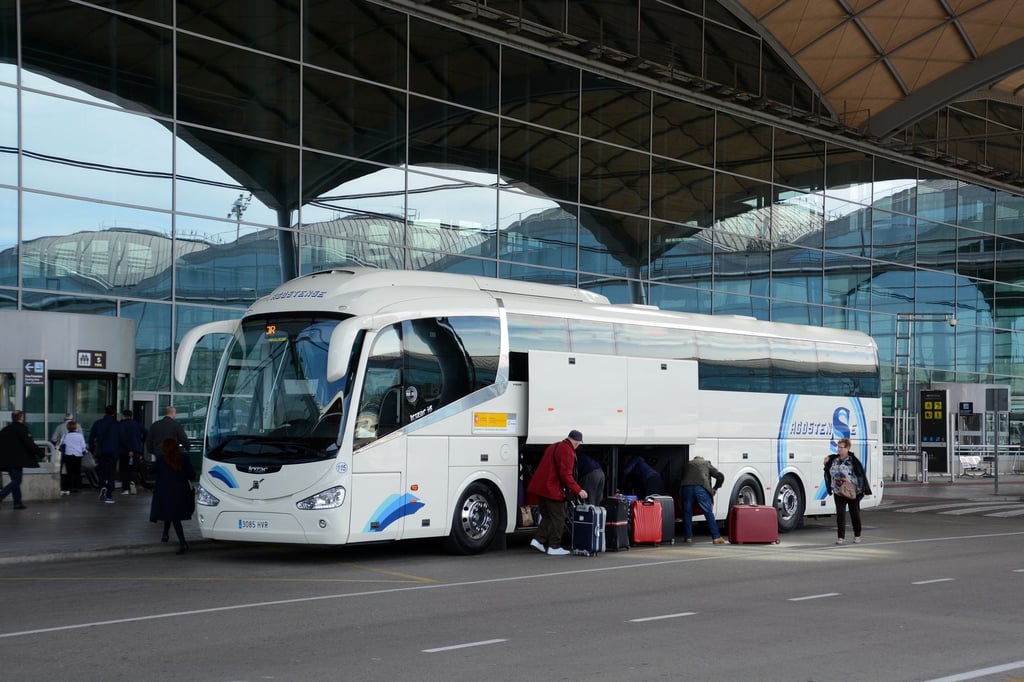
You scan your boarding pass, expect a walk down a bridge, and instead the gate staff direct you onto a bus. It feels like a downgrade, but it is a normal part of how busy airports handle aircraft.
What is the difference between a remote stand and an aerobridge?
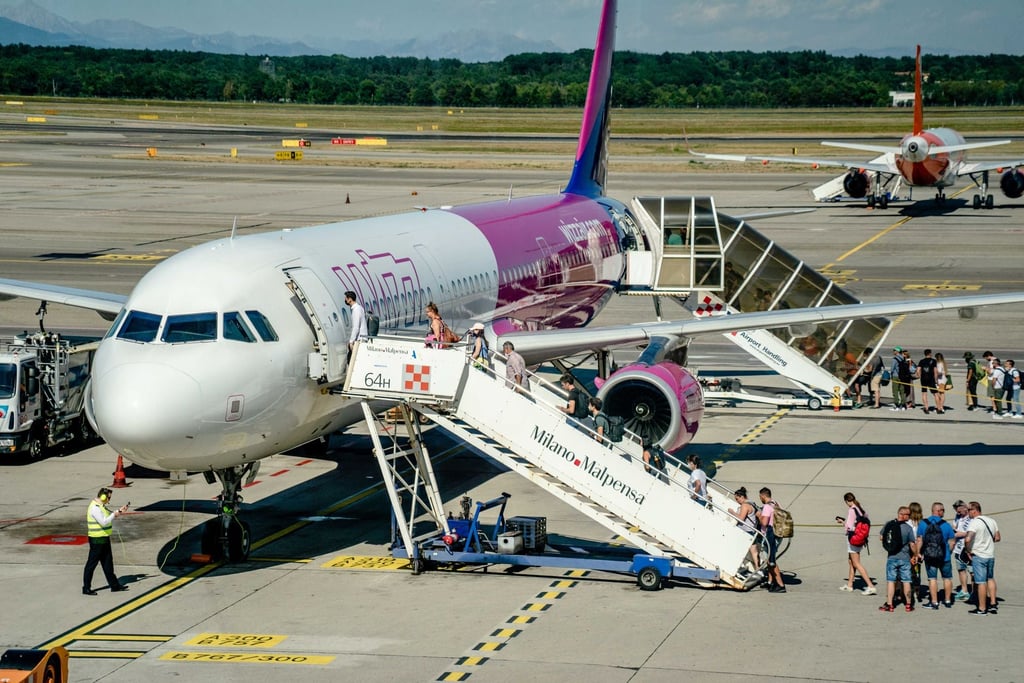
A stand is the parking position for an aircraft. A contact stand sits next to the terminal and usually has a passenger boarding bridge, the covered walkway most people call an aerobridge. A remote stand is parked away from the terminal. Passengers normally travel to it by bus and then board by stairs, or sometimes by a short walk.
Here is a quick comparison.
| Feature | Contact stand | Remote stand |
|---|---|---|
| Where the aircraft parks | Next to the terminal | Away from the terminal on the apron |
| How you board | Usually through an aerobridge | Usually by bus, then stairs |
| Weather exposure | Low | Higher, in sun or rain |
Why do airports and airlines use remote stands?
The main reason is capacity. A terminal has a limited number of bridge-equipped stands, and many airports have far more aircraft parking positions than bridges. When all bridge stands are occupied, the next aircraft goes to a remote position.
Cost and speed also play a part. Using an aerobridge generally adds charges for the airline, so some airlines, especially low-cost ones, are comfortable with bus boarding. Ground transport by bus is arranged with the ground handling agency. In India, the airport operator decides stand allocation, which can change on the day with traffic, aircraft arrivals and delays.
A small aviation fact: a flight can be assigned to an aerobridge stand in the morning plan and still end up at a remote stand on the day if an earlier aircraft is late to leave. Stand plans are working documents, not promises.
Can you know in advance if you will take a bus?
Usually not with certainty. Airlines do not guarantee a stand type when you book, and a flight can be moved between stands on the day. The most reliable signal is the airport’s flight information display or your airline’s app, which typically show the gate or stand shortly before boarding. Some airports show a bus gate or similar note, but practice varies.
What you can do is allow for the possibility. Busy hub airports at peak times tend to use remote stands more often, while a quiet flight at a smaller terminal often boards through a bridge. Treat that as a pattern, not a rule.
What should you do on the day?
- Reach the gate on time. Boarding by bus can take longer than a bridge, because the bus must fill and drive across the apron.
- Keep your boarding pass and ID handy, as the crew may check them again at the bus or the aircraft steps.
- Pack so you can carry your bags up stairs. A smaller, lighter cabin bag is easier than a heavy one.
- Wear shoes you can climb steps in, and carry a hat or umbrella in hot or wet weather.
- Stay with the crew’s instructions on the apron and do not wander from the bus path.
What if you need help climbing stairs?
If you use a wheelchair, have limited mobility, or are travelling with an elderly relative who cannot manage stairs, ask the airline for assistance when you book, or contact them before travel. Assistance is requested from the airline, not from HappyFares. The airline and airport can then plan the right equipment for a remote stand, such as a lift vehicle where it is available.
Tell the airline early, and repeat the request at check-in so the ground staff know. If you are not sure whether your flight will be at a remote stand, say so anyway. They can plan for either case.
Common Questions
Is a bus boarding a sign my flight has a problem?
No. It simply means the aircraft is at a remote stand. The flight itself is unaffected, though weather can make the walk less pleasant.
Can I choose an aerobridge flight when I book?
No. Airlines do not usually let you choose stand type, and the stand can change on the day.
Does the bus ride count as part of boarding time?
Yes, in practice. Gate closing is set by the airline, so be at the gate on time and do not assume you can walk to the aircraft late.
Can children and older passengers manage the stairs?
Many can, but if there is any doubt, ask the airline for assistance in advance. Do not wait until you are at the aircraft steps.
Why does the same airline sometimes use a bridge and sometimes a bus?
Because the stand depends on what is free at that time at that airport. The same flight can use a bridge one day and a bus the next.
Do I get a refund or compensation if I am bused?
Bus boarding is a normal operation and not, by itself, a reason for a refund. Fare and service rules are set by the airline.
Ready to book? Search and compare flights on HappyFares, set a price alert, or ask Meera, our AI assistant, to help you find a flight. Domestic bookings carry zero convenience fee.
Airport procedures and airline rules change, so verify current specifics with the airline or the airport before you travel.

