
Indian airfares are high mainly because fuel is the biggest cost an airline carries, and aviation turbine fuel is taxed by both the Centre and each state. Airport charges, demand peaks around festivals and weekends, and a fare-bucket system that sells cheaper seats first and dearer ones later also push prices up. Booking earlier and staying flexible usually helps.
Updated November 2026 · HappyFares
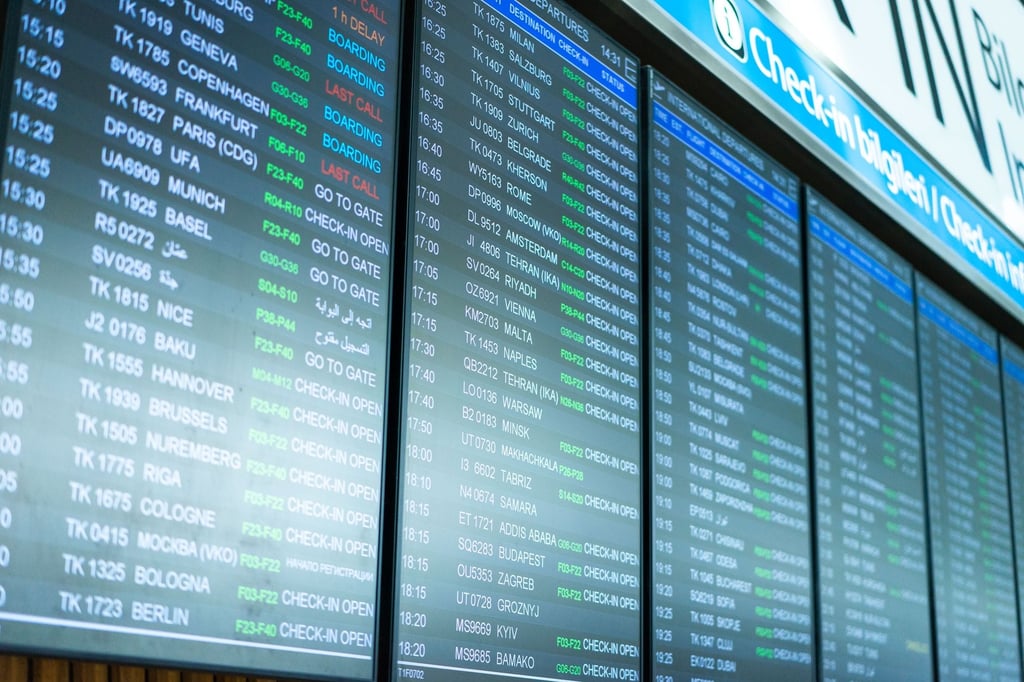
A fare is not one number. It is a stack of costs, taxes and a pricing system that reacts to demand every hour. Here is what actually sits behind the price you see on screen.
How much does fuel add to an Indian airfare?
Fuel is the largest single line in an airline’s operating costs. The Takshashila Institution, an Indian public policy think tank, put aviation turbine fuel (ATF) at roughly 35 to 40 per cent of an Indian airline’s operating costs in a March 2026 paper. That share can rise sharply when global oil prices jump, because airlines buy fuel in rupees at prices linked to international benchmarks.
Tax makes it heavier. ATF is outside the Goods and Services Tax regime, so it carries central excise duty plus value added tax set separately by each state. The same think tank points out that this creates price gaps between airports: a litre of fuel can cost noticeably more in one city than another. Airline bodies have asked the government to bring ATF into GST so the tax paid can be claimed back, but as of this writing that has not happened.
Did you know? An aircraft burns fuel even while it taxis, which is one reason airlines care so much about runway queues and short turnarounds.
What airport charges are inside the ticket?
Part of your fare is not the airline’s money at all. Passenger-linked charges such as the user development fee and passenger service fee are collected through the airline and passed on to the airport operator. At major airports, the Airports Economic Regulatory Authority (AERA) determines aeronautical tariffs and development fees, usually for a multi-year control period. Fees differ from airport to airport, and newer airports have had their own fees fixed in 2026 orders.
On top of that, airlines pay landing, parking and navigation charges every time an aircraft operates. These costs are spread across the seats on the flight, which is why a half-empty flight is expensive to run.
Why do fares jump around festivals and weekends?
Supply of seats is fixed on any given day, while demand swings. Around Diwali, Chhath, Dussehra, wedding season and long weekends, many people want the same flights on the same days. Airlines respond by selling out their cheaper fare buckets early and leaving only the higher ones.
Directional demand matters too. Flights leaving a big city just before a festival fill up, but the aircraft often come back emptier, so airlines price to cover a round trip. Early morning and late evening departures, and Fridays and Sundays, are often popular with business and weekend travellers.
What are fare buckets and why does the price change?
Airlines divide the seats on each flight into booking classes, sometimes called fare buckets. Each bucket has its own price and rules. The lowest bucket sells first. When it is gone, the next one opens at a higher price, even though the seat is physically identical. This is why two passengers on the same flight can pay different amounts.
Fare families add another layer. IndiGo sells Saver and Flexi Plus on domestic routes, among other options, while Akasa Air sells Saver and Flexi, and Air India and Air India Express sell Value, Classic and Flex. A higher family generally bundles things like free changes, seat selection or extra baggage, so the headline price differs for a reason. Compare what is included before deciding the cheapest line is the best value.
Does booking earlier or later change the price?
Generally, fares tend to rise as the departure date gets closer, because cheaper buckets sell out and last-minute travellers are less price sensitive. There is no single magic day to buy, and prices can also fall when an airline adds capacity or a sale starts. For a trip on a popular date, booking early is usually safer than waiting for a drop. For a quiet midweek flight, you have more room to watch the price.
- Fly midweek or on off-peak hours where you can.
- Check nearby dates, not just your preferred day.
- Use a price alert instead of refreshing a search page.
- Compare the fare family, not just the headline fare.
Common Questions
Is fuel the main reason flights cost so much in India?
It is the biggest single cost, estimated by a think tank at roughly 35 to 40 per cent of airline operating costs, but it is not the only one. Airport charges, aircraft leasing, maintenance, crew and demand all feed into the final fare.
Why is ATF taxed differently from other fuels?
ATF sits outside GST, so central excise and state VAT apply instead. Because each state sets its own VAT, the tax on fuel differs by airport.
Do airlines set fares freely in India?
Airlines generally price their own domestic fares based on demand and cost, which is why the same route can cost very different amounts on different days.
Why does the same flight show different prices to different people?
Prices depend on which fare bucket is open at the moment you search and on which fare family you pick. Seats get sold between your searches, so the price can change within hours.
Does a cheaper airline always mean a cheaper trip?
Not always. Low base fares can exclude baggage, seat selection or changes, so the total depends on what you add. Compare the full cost for your needs.
Search and compare flights on HappyFares with zero convenience fee on domestic bookings, set a price alert for your route, or ask Meera, our AI assistant, to help you find the right day to fly.
Rules, taxes and fees change. Check current specifics with the airline, DGCA or the airport before you travel.

