
There is no simple yes or no. IndiGo’s published list says home appliances are allowed in checked baggage, subject to BCAS regulations, so a travel kettle or iron is safest in your checked bag. A hair dryer is commonly packed too, but security staff and the airline have the final say. Empty any water, and keep lithium batteries in the cabin.
Updated November 2026 · HappyFares
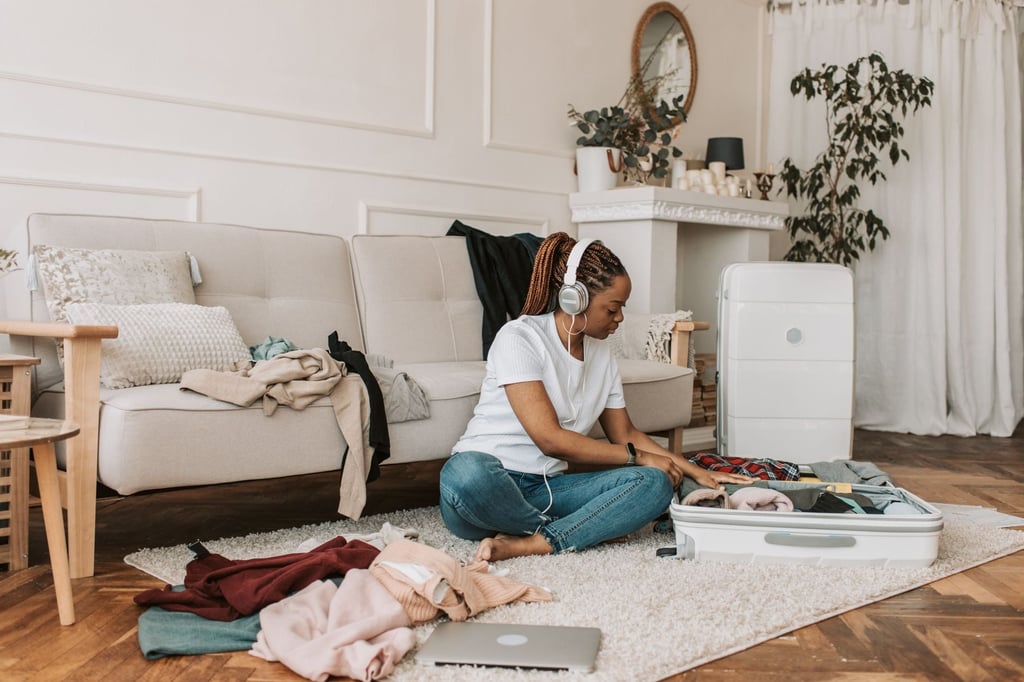
Small electric appliances are easy to forget until you are at the security belt. This guide covers the hair dryer, the travel kettle, the clothes iron and the garment steamer, and what the published rules actually say about them.
What do the published rules say about household appliances?
The Bureau of Civil Aviation Security (BCAS) sets the security rules for Indian airports, and airlines add their own on top. The lists published by airlines and airports tend to name dangerous items in categories, such as flammables, sharp objects, gas cylinders and batteries, and they do not always name each appliance one by one.
IndiGo’s dangerous goods page lists home appliances as allowed in check-in baggage, subject to BCAS regulations. Because the page speaks about check-in baggage, the careful reading is that a kettle or an iron belongs in the hold. For the cabin, the airline’s own guidance on your booking is the thing to follow.
We have not found a published BCAS or airline line that names a hair dryer, travel kettle or iron as banned or allowed in cabin baggage. Where the lists are silent, assume the airline or the security officer decides on the day, and plan to put the item where it is least likely to cause trouble.
Is it safe to pack a hair dryer in cabin baggage?
Many travellers carry a hair dryer in their cabin bag, and it is often accepted, but we cannot point to an official line that guarantees it. If you want to avoid any argument at the checkpoint, pack it in checked baggage. If you carry it in the cabin, put it where you can take it out quickly, because security officers can ask for electrical items to be screened separately. Laptops, for example, must be removed and screened separately in the trays.
Two points for hair dryers and similar tools:
- Cordless tools with a lithium battery follow the battery rules, discussed below.
- Styling tools that burn gas are a problem. Air India lists hair curlers containing hydrocarbon gas as prohibited, so leave gas-fuelled curlers at home.
Can a travel kettle or an iron go on a flight?
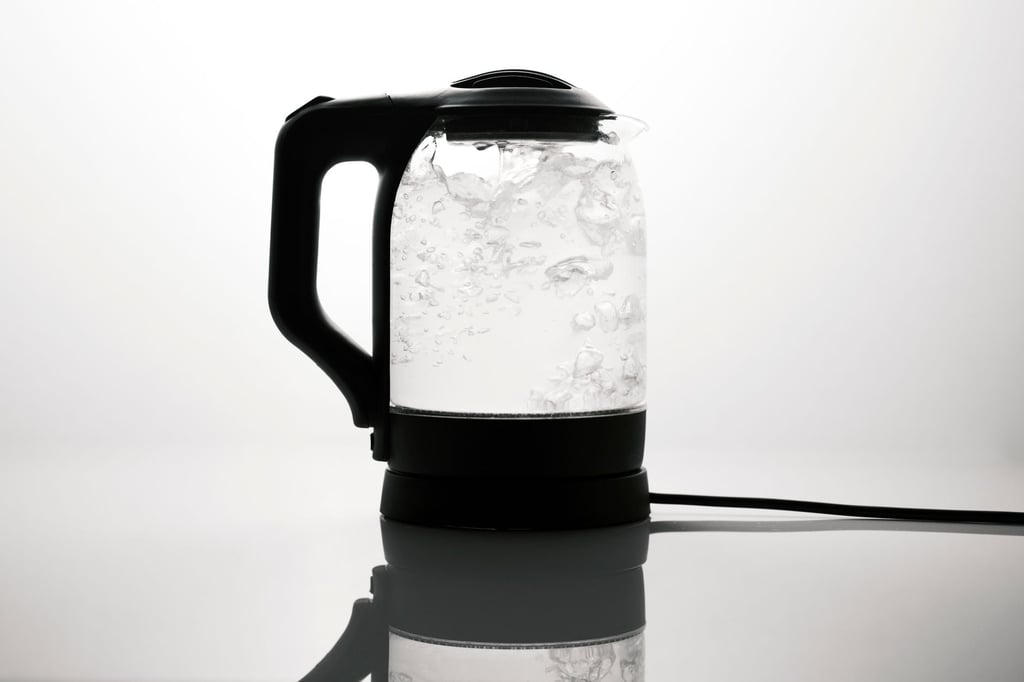
Both are bulky, and both have a heating element. The simplest answer is checked baggage. That follows IndiGo’s statement about home appliances in the hold and avoids the risk of being asked to leave the item at the checkpoint.
A few pointers:
- Empty all water from the kettle, the iron and the steamer before you pack. In the cabin, liquid containers are limited to 100 ml each, and a tank of water does not fit that rule.
- Let the item cool fully before it goes into the bag.
- Wrap the cord and the plate, and pad it so it does not damage clothes or other items.
- If it has a removable battery or a built-in rechargeable pack, treat that part as a battery. See the next section.
Before you pack a steam iron or a steamer, check whether it has a reservoir that cannot be fully emptied. If it does, a different travel iron or a hotel iron may be simpler.
What about batteries in cordless appliances?
Battery rules are the best-documented part of this topic. At least one Indian airport authority’s security page lists power banks and spare laptop batteries as prohibited in check-in baggage. Air India states that laptop batteries must travel in the cabin on flights departing India, and Akasa Air has published that power banks are allowed in cabin baggage but not in checked baggage.
That means a cordless dryer, a rechargeable steamer or a mini kettle with a detachable battery should have its spare battery in the cabin bag, not in the hold. Check the capacity label, because Akasa says batteries that are damaged, swollen or without a clear capacity label are not allowed. A damaged battery is a safety risk and should not travel at all.
What should you leave at home?
Sharp items such as scissors and razor blades are not allowed in cabin baggage, which matters if your grooming kit sits next to your hair dryer. Gas cylinders and flammable liquids are also on the prohibited lists. Lighters and safety matches appear on the list of items prohibited in both cabin and checked baggage by an airport authority. When in doubt about a particular travel appliance, ask the airline before you pack it, because airlines may add their own rules.
If you travel with another bag for hair-care products, keep each liquid, gel or aerosol to 100 ml or less in the cabin, all inside one clear resealable bag of up to 1 litre. Larger bottles belong in checked baggage.
Common Questions
Can I carry a hair dryer in cabin baggage?
It is commonly packed there, but we cannot point to an official line that guarantees it. Checked baggage is the safest option if you want no argument at the checkpoint.
Can I take an electric kettle on a flight in India?
IndiGo’s list says home appliances are allowed in check-in baggage, subject to BCAS regulations, so pack the kettle in your checked bag, empty and cool.
Can I carry a clothes iron?
Treat it the same way as a kettle: checked baggage, empty, cool and padded. If it is cordless with a battery, handle the battery as described above.
Do airlines charge extra for carrying these items?
Baggage allowances and any excess baggage fee depend on the airline and your fare. Checking in is free, on the web or at the airport. Check the allowance on your booking.
Can I carry the spare battery for a cordless appliance in checked baggage?
No. Power banks and spare lithium batteries should go in the cabin bag, not the hold.
Who decides if an item is allowed?
BCAS sets the security rules, airlines can add their own, and the security officer at the checkpoint makes the call on the day.
Ready to book your next trip? Search and compare flights on HappyFares with zero convenience fee on domestic bookings, set a price alert, or ask Meera, our AI assistant, to help you find a good option.
Baggage rules and fees change, so verify current specifics with the airline, BCAS or the airport before you travel.

