
Duty-free liquids bought at an airport are normally handed over in a sealed, tamper-evident security bag with the receipt inside or attached. On a connecting flight the bag generally has to stay sealed until your final destination, and the receipt should stay with it. The rules differ by country and airport, so check the connecting airport’s guidance before you buy.
Updated November 2026 · HappyFares
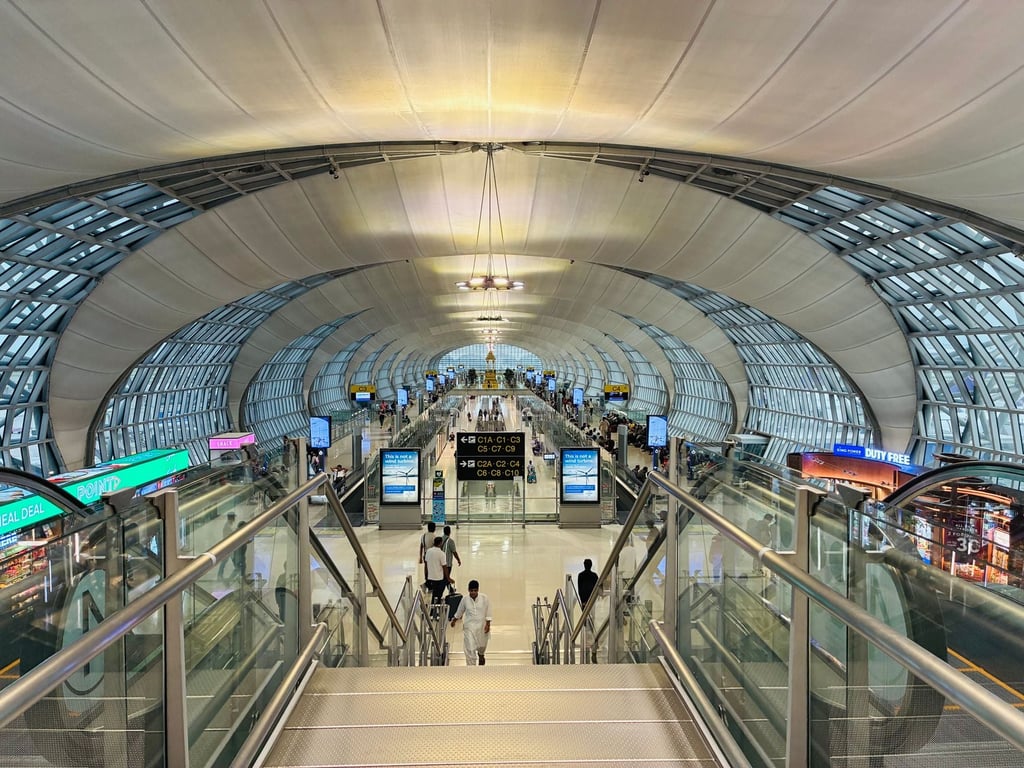
Liquids over the usual hand-baggage limit are normally stopped at security, yet duty-free shops sell large bottles. Sealed bags are the bridge between the two, as long as you follow the conditions.
What is a security tamper-evident bag?
A security tamper-evident bag, often shortened to STEB, is a sealed plastic bag in which the shop packs liquids, aerosols and gels you buy after security. It is designed so that any opening shows. The idea is that security staff can see the liquids were bought in the secure area and have not been touched since.
In the standard hand-baggage rule, liquids are limited to containers of up to 100 ml each, carried in a transparent resealable bag. The widely published 100 ml rule is why sealed bags matter: a litre bottle of spirits or perfume can travel in one only if it stays sealed.
What must you keep for a connecting flight?
- The sealed bag, unopened. Airlines such as Virgin Atlantic say the bag should not be opened until you reach your final destination.
- The receipt. Keep it inside the bag or visible through it, as the shop usually arranges. Some airports and airlines want proof of purchase for transfer points.
If you open the bag, even to take out one small item, the liquids may be confiscated at the next security check.
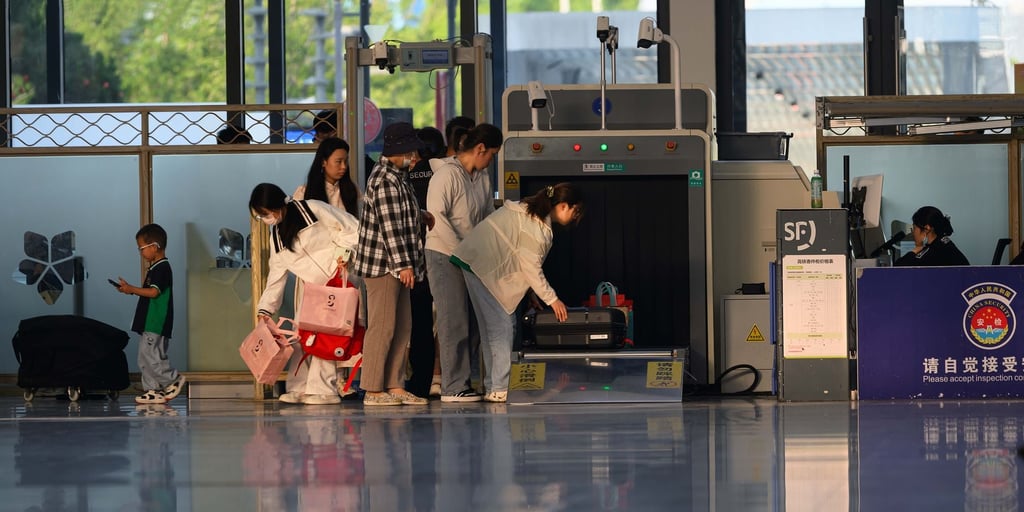
Why do the rules differ by country and airport?
Each country sets its own aviation security rules, and a transfer airport applies its own. Some airports let you walk through with a sealed bag and receipt, while others re-screen transfer passengers. Singapore Airlines, for example, has noted that Australian security rules do not allow duty-free liquids above 100 ml bought on an earlier sector, even in a sealed bag. Virgin Atlantic’s help page describes Dubai as accepting sealed bags with the receipt displayed inside, for transit passengers.
These are examples from airline pages that can change. The position at every airport is not covered here, so do not assume what works at one transfer point works at all of them.
Duty-free bought in India:Many Indian travellers shop at the departure airport on an international journey and then connect abroad. The sealed bag and receipt process is the same idea, but the rules that count are those at the airport where you connect and at your final destination. Check them in advance on the airport’s website or with the airline.
What if your connection is on a separate ticket?
Separate tickets add risk. If you land, collect your bags, and re-enter security for the next flight, the sealed bag may be checked again, and some airports will not accept bags bought on an earlier sector. When you can, book one ticket for the whole journey so that the airline and the airport treat you as a transfer passenger.
Whichever way you travel, ask the shop to explain the sealed bag and keep the whole package intact. If the bag is torn, the seal is broken or the receipt is missing, tell security staff politely at the first opportunity instead of waiting for them to find it. What happens next is up to the security staff and the airport’s rules.
Also bear in mind that your final destination has its own customs allowance for alcohol and perfume. Duty-free shops sell the goods, but they do not decide what you may bring into the country, so read the destination’s customs guidance before you buy.
How can you avoid problems?
- Ask the shop assistant whether your connection allows the purchase, and tell them where you are transferring.
- Buy larger bottles at your last airport instead of the first one, if you can.
- Where your bags are checked through to the final destination, consider packing liquids you already own in checked baggage instead of buying them at duty free.
- Keep the receipt and the sealed bag together in your hand baggage.
Common Questions
Can I open the duty-free bag during a layover?
Airlines generally advise against it. The bag should normally stay sealed until your final destination, and opening it can lead to confiscation at the next security check.
Do I need to keep the receipt?
Yes. Keep it inside the bag or attached as the shop provides, because some transfer points ask to see proof of purchase.
Can I carry a litre bottle in the cabin on a connection?
Sometimes, if it is in a sealed bag with the receipt and your connecting airport accepts it. Some countries do not accept it, so check beforehand.
What happens if security stops my bottle?
You may be asked to surrender it or, where the airport allows, to place it in checked baggage. Policies vary by airport.
Is the 100 ml rule the same everywhere?
It is widely published and used by many countries, but details of equipment and exemptions differ. Check your connecting airport’s rules.
Does a sealed bag work for medicines or baby food?
Those are usually handled under separate exemptions at security. Ask the airline or airport about your specific item.
Planning an international trip with a connection? Search and compare flights on HappyFares, set a price alert, and ask Meera, our AI assistant, to help you find options that suit your schedule.
Rules and fees change, so verify current specifics with the airline, BCAS, CISF or the airport before you travel.

