
Yes, in most cases. Dry, solid sweets such as thekua, gajak, chikki and firm peda can usually travel in either cabin or checked baggage on Indian domestic flights. Soft, syrupy or very oily sweets are the risk, because they can be treated like liquids or gels, and airlines advise against carrying liquids and gels above 100 ml in cabin baggage. Security staff make the final call.
Updated November 2026 · HappyFares
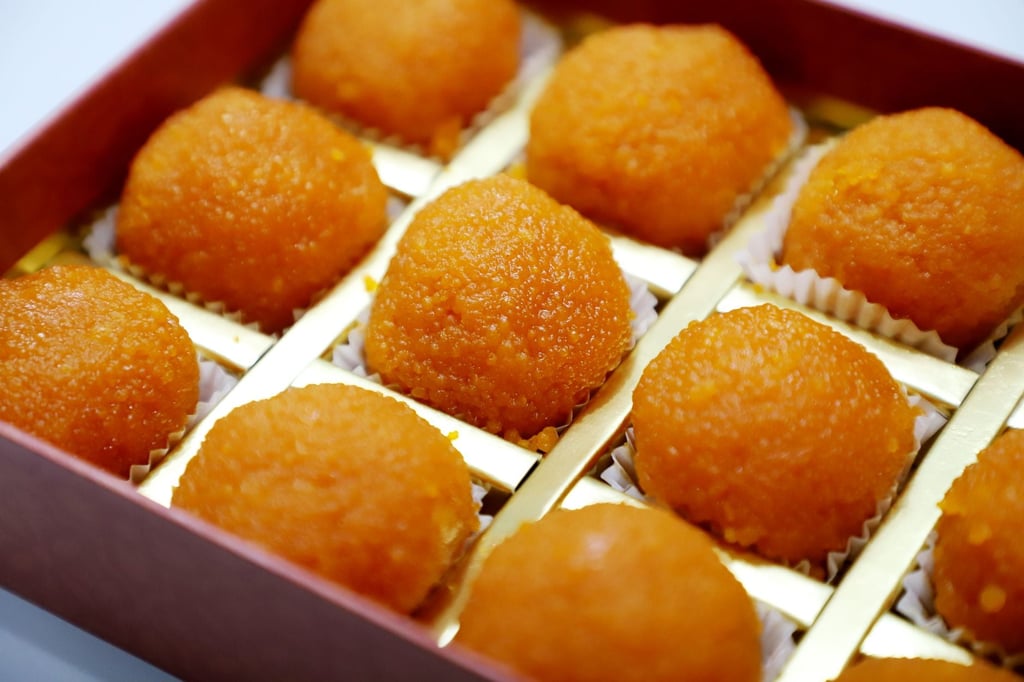
Festival season sends a lot of homemade sweets through Indian airports. Here is how to pack thekua, gajak, chikki, peda and similar mithai so they reach the other end without a problem at security.
Can you carry dry sweets like thekua and gajak in cabin baggage?
Generally yes. Thekua, gajak, chikki, sattu laddu and firm, dry peda are solid foods, and solid food is typically accepted through screening in a cabin bag. The usual advice is to use a sealed box or a clear container so the screener can see what is inside without having to open everything.
Two practical points matter more than the rule itself. First, your cabin bag still has to meet the airline’s size and weight limit. IndiGo, for example, publishes a 7 kg limit and maximum dimensions of 55 x 35 x 25 cm for its cabin bag, and a large box of sweets eats into that quickly. Second, a bag that looks dense or unusual on the X-ray can be pulled aside for a manual check, so keep the packing tidy and easy to open.
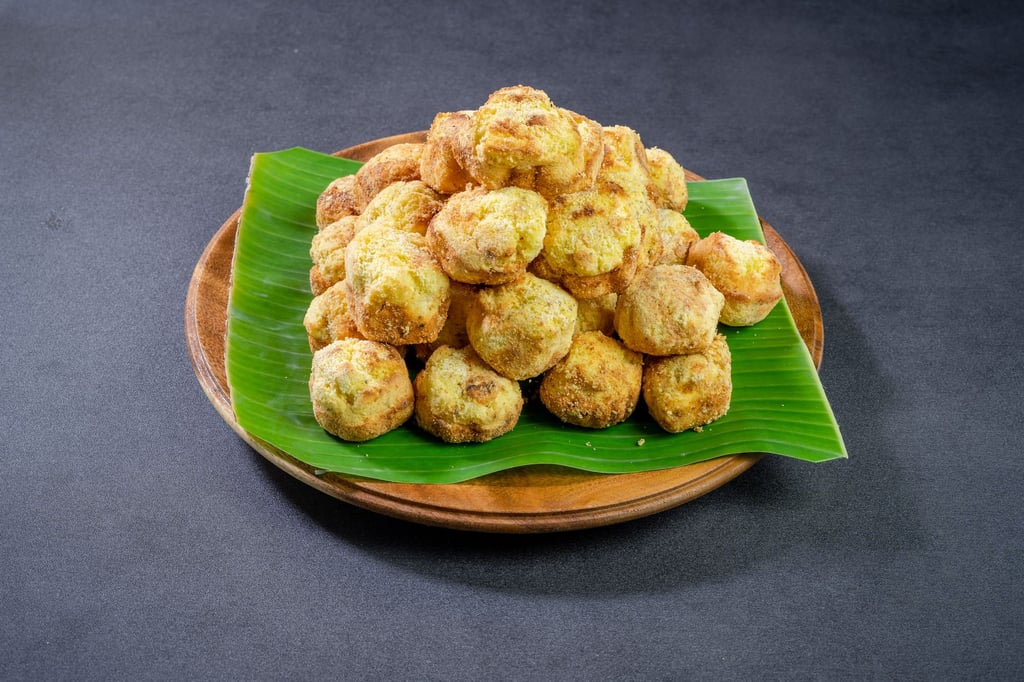
When do sweets count as liquids or gels?
Air India advises against carrying liquids, aerosols or gels above 100 ml in cabin baggage. That is the rule that catches wet or syrupy sweets. Anything that is soaked in sugar syrup, or that is soft enough to behave like a paste or gel, can be treated as a liquid by the screener, even though it is food.
As a rough guide, here is how common sweets usually sort out:
- Usually fine in cabin: thekua, gajak, chikki, dry peda, sattu laddu, other firm and dry sweets.
- Safer in checked baggage: syrup-soaked sweets, very soft or oily sweets, and anything packed in liquid or ghee.
- Treat as liquid in cabin: ghee, jars of syrup and similar spreads, which fall under the 100 ml limit.
This sorting is a sensible reading of the liquids rule, not a published list of approved sweets. Individual screeners can decide differently on the day.
Is it better to put sweets in checked baggage?
For a large quantity, often yes. The 100 ml liquids limit applies to cabin baggage, so checked baggage is the easier place for bulky boxes, soft sweets and anything greasy. Pack them in a rigid, leak-proof container and wrap it in a plastic bag, so a squashed sweet does not stain your clothes.
Fragile sweets such as gajak and chikki can crumble under the weight of other luggage. A sturdy box with a little padding helps. If you also want something to nibble on the flight, keep a small dry portion in your cabin bag and check the rest.
Did you know? Sealed packets tend to puff up in flight because cabin air pressure is lower than at ground level, so a tightly sealed pack can look inflated when you land. Leave a little room in the box rather than packing it to the brim.
What if you are flying abroad with Indian sweets?
The airline’s baggage rules are only half the picture on an international trip. The country you land in has its own customs and food-import rules, and these can be stricter than anything on the Indian side. Some countries restrict particular food categories, such as dairy-based products, so a milk-based peda that is fine domestically may need a closer look.
Before an international flight, check the destination’s customs or agriculture authority for the current rules and declare food if the form asks you to. Dry, commercially packed sweets with a visible ingredient label tend to be the simplest to explain at the border.
How should you pack sweets for a flight?
- Use a firm, sealed box and keep the original shop label if you bought them.
- Separate sweets with butter paper or parchment so they do not stick together.
- Keep the box near the top of your cabin bag, so you can take it out quickly if asked.
- Put syrupy and oily sweets in checked baggage, inside a leak-proof container.
- Leave a little time at security in case the box is opened.
Common Questions
Can I carry thekua in hand baggage?
Usually yes. Thekua is a dry, solid snack and is generally accepted in cabin baggage as long as it fits your bag’s size and weight allowance. Pack it in a sealed box.
Is chikki allowed on a flight?
Chikki is a dry, hard sweet, so it is typically fine in both cabin and checked baggage. Wrap it so the pieces do not break and spread crumbs through your bag.
Can I take peda in my cabin bag?
Firm, dry peda is usually fine. Very soft or oily peda is better in checked baggage, because it can be handled like a paste or gel under the liquids rule.
Does the 100 ml rule apply to sweets?
It applies to liquids, gels and aerosols in cabin baggage. Dry sweets are not liquids, but syrup-soaked or paste-like ones can be treated as such, so keep those in checked baggage.
Do Indian airlines charge for carrying food in baggage?
Food generally counts towards your baggage weight like any other item, so excess weight is charged under the airline’s normal baggage rules. Check your airline’s baggage page for your fare’s allowance.
Can I carry sweets on an international flight?
Often yes, but check the destination country’s customs rules first, because food-import rules differ and can be strict for some categories.
Planning a trip home with a box of mithai? Search and compare flights on HappyFares, with zero convenience fee on domestic bookings, and set a price alert if you are still deciding on dates.
Security rules and airline policies change. Verify current specifics with your airline, the airport or the relevant authority before you travel.

