
Yes, in most cases. Dry cooked vegetarian food such as parathas, thepla or dry snacks can usually go in your cabin bag, within the one-bag 7 kg limit. Wet or semi-liquid items such as curries, chutney or curd generally fall under the 100 ml liquids rule, so pack larger amounts in checked baggage.
Updated November 2026 · HappyFares
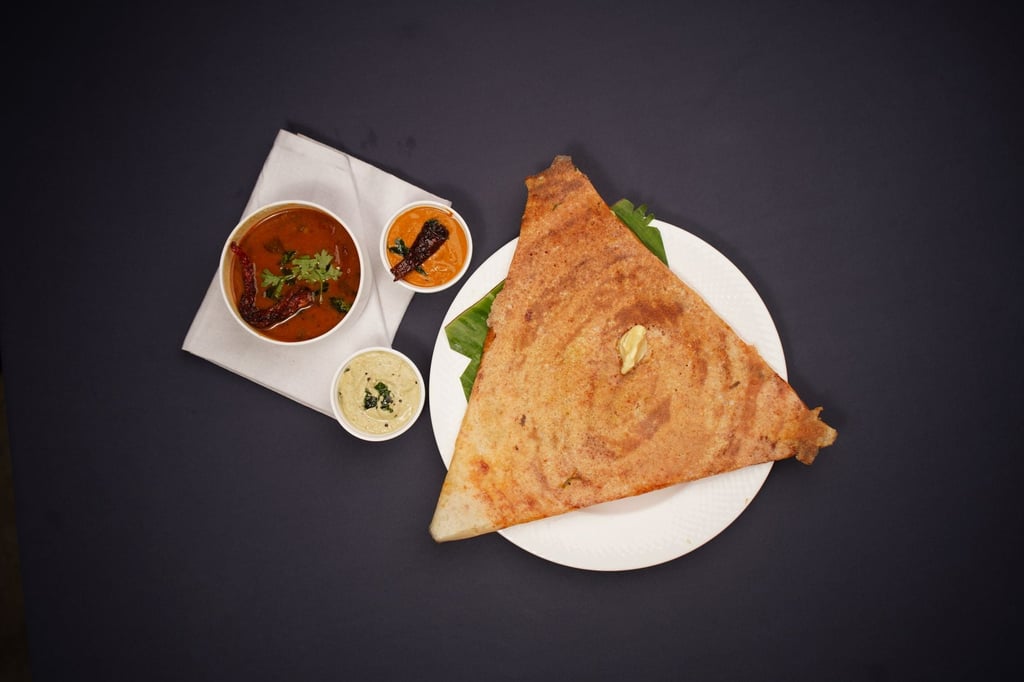
Carrying a tiffin from home is a familiar part of Indian travel, especially on long trips and festival journeys. The rules are simple once you know the one question that matters: is the food solid, or does it behave like a liquid?
What home-cooked vegetarian food can go in cabin baggage?
Solid, dry food is generally reported to be accepted at security, though there is no official food list and the officer on duty decides. Think parathas, thepla, puri, poha, khakhra, roasted chana, laddoos and other dry snacks. Pack them in a closed container, since the cabin bag goes through the X-ray and the screener may want to look at anything that appears dense or unclear on the image.
Your food counts toward your cabin allowance. Airlines in India apply a one hand baggage rule, and IndiGo’s baggage policy states a single hand bag of up to 7 kg, with Air India also stating 7 kg for economy. So a heavy tiffin can use up much of your allowance.
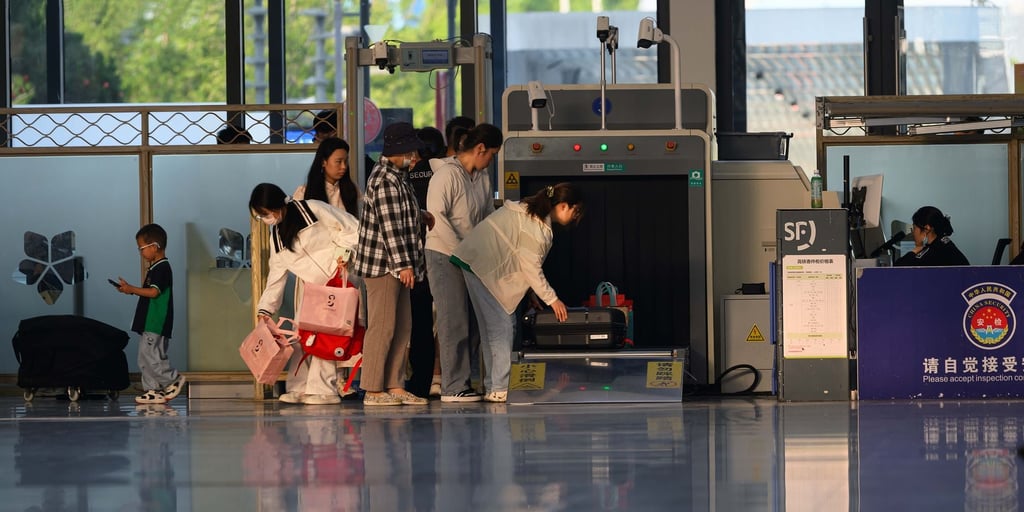
What counts as a liquid or gel?
Liquids, gels and aerosols in cabin baggage must be in containers of 100 ml or less, carried together in a transparent, re-sealable plastic bag. IndiGo’s policy gives the bag size as a maximum capacity of one litre. Air India states that containers larger than 100 ml are not accepted even if only partly filled, so the size printed on the container is what matters, not how much is left in it.
For food, this means anything pourable, spreadable or wet is usually treated as a liquid or gel. Typical examples are curries and gravies, dal, sambar, chutney, curd and raita, pickles and kheer. The classification is made by the security staff on the day, so treat the list as a guide rather than a guarantee.
What should you put in checked baggage instead?
The 100 ml limit applies to the cabin. Larger quantities of wet food can usually go in checked baggage, provided they are sealed well, though some airlines restrict particular items (certain pickles, for example), so check your airline’s list. Use a leak-proof container, wrap it in a bag, and keep it away from clothes and electronics. For a short domestic trip, a sensible plan is dry food in your cabin bag and anything wet in the hold.
Some items, like very small portions of chutney or pickle in a container of 100 ml or less, can go in the clear liquids bag. Many travellers do this to carry a small taste of home. Our posts on pickles and ghee cover those specific items in more detail.
How should you pack food for a flight?
A few habits make the security check smoother. Use a container with a firm lid, and avoid foil-wrapped parcels that cannot be inspected without a mess. Keep your food in a part of the bag that is easy to reach, so you can place it in a tray if asked. Roti and paratha stay fresh longer when wrapped in clean cloth or paper inside a closed box.
Dry snacks such as roasted peanuts, murmura, sev and mathri travel well and are easy to screen. If you want something with a little moisture, such as a sweet with syrup, ask yourself whether it would pour or spread. If it would, treat it as a liquid and keep it within the 100 ml container limit, or move it to checked baggage.
Finally, eat or finish fresh food within a few hours. Cooked food does not keep well in a warm bag, and a delay at the airport can stretch a short trip.
Do the rules change on international flights?
Yes. Leaving India, the same 100 ml cabin rule applies, but arrival is a different matter. Each country has its own customs and biosecurity rules on bringing food in, and some restrict certain homemade or unpackaged food items even when airport security lets them through. Check the customs and agriculture pages of your destination before you pack, and declare food if asked. Also check connecting airports, as security rules at a transit airport may differ from India’s.
A light aviation fact: the 100 ml rule is about the container size, which is why Air India says containers larger than 100 ml are not accepted even if only partly filled.
Common Questions
Can I carry parathas and thepla on a flight?
Generally yes, in your cabin or checked bag, as they are solid food.
Is curd allowed in cabin baggage?
Curd is semi-liquid, so it is generally treated as a liquid. A container of 100 ml or less in the clear bag is the safe route, or place a larger amount in checked baggage.
Does the food count toward my 7 kg cabin limit?
Yes. Everything in your hand baggage counts toward the airline’s stated hand baggage weight limit.
Can I carry food in a steel tiffin?
Usually, but screeners may ask you to open it. Keep contents accessible and the lid easy to remove.
Can I carry home-cooked food abroad?
Security may allow dry food, but the destination country’s customs can still restrict it. Check their official rules first.
Where can I check the latest rule?
Your airline’s baggage page lists its current policy, and the security staff at the airport apply it on the day.
Planning your next trip home? Search and compare flights on HappyFares, with zero convenience fee on domestic bookings and price alerts to help you book at the right time.
Rules change and are applied by security staff on the day; verify current specifics with your airline, the airport or the relevant authority before you travel.

