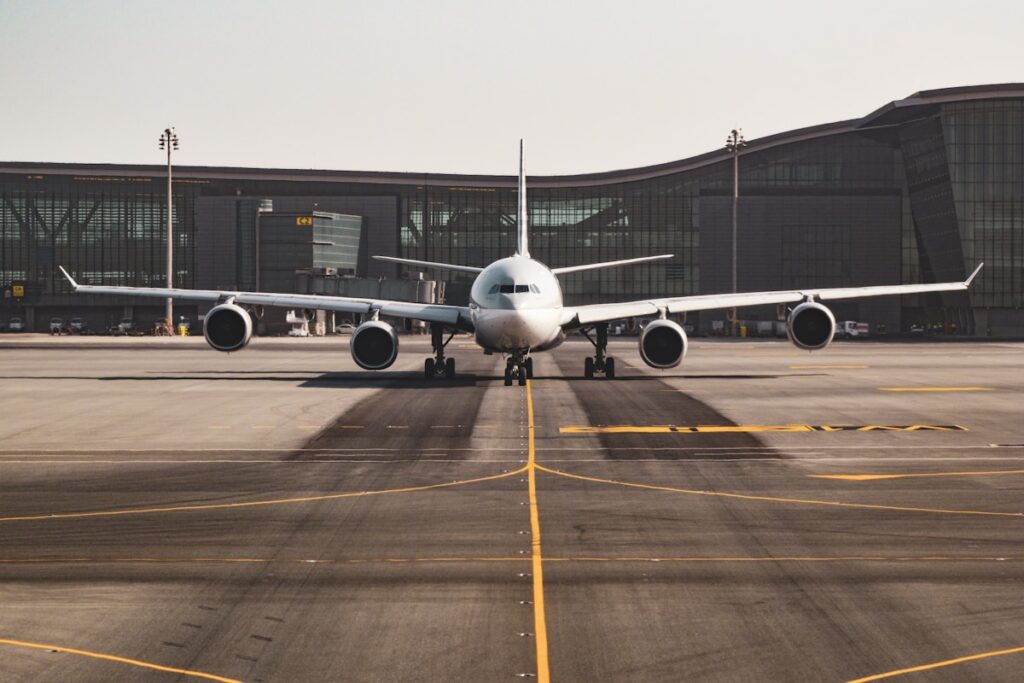
Group Flight Booking India 2026: 10+ Passengers Guide
Coordinating flights for a large group — whether it’s a family pilgrimage to Varanasi, a corporate offsite, or a destination wedding — is one of the more stressful parts of group travel planning. Indian airlines define a group as 10 or more passengers on the same flight, and dedicated group fares can save anywhere from ₹800 to ₹2,500 per person on popular domestic routes, according to fare data tracked across major Indian carriers in 2025. But group bookings come with trade-offs that aren’t always obvious upfront.
> **TL;DR:** Indian airlines offer group fares for 10+ passengers, saving ₹800–₹2,500 per head on popular routes. For groups under 20, booking individually on HappyFares often matches group desk prices with more flexibility. For 20+ travellers, contact the airline group desk 4–8 weeks out. Single PNR = baggage pooling but less flexibility; multiple PNRs = more independence.
[INTERNAL-LINK: cheapest flight booking tips → how-to-get-cheapest-flights-india-2026]
What Counts as a Group Booking in India?
Indian airlines set the group threshold at 10 passengers minimum, travelling on the same flight and date. Air India, IndiGo, and SpiceJet all maintain dedicated group desks that handle requests above this threshold. A 2025 CAPA India aviation report noted that group and charter bookings account for roughly 12–15% of domestic seat capacity on pilgrimage-heavy routes during peak seasons like Navratri and Mahashivratri.
The critical distinction is between retail group booking (booking multiple tickets individually through a platform like HappyFares) and contracted group booking (negotiating a block of seats directly with the airline’s group desk). Both approaches have real advantages depending on your group size and how far ahead you’re planning.
[CITATION CAPSULE: According to CAPA India (2025), group and charter bookings represent 12–15% of domestic seat capacity on pilgrimage-heavy routes during peak seasons such as Navratri and Mahashivratri, underlining the scale of organised group air travel in India.]
Group Desk vs. Booking Individually on HappyFares — Which Works Better?
For groups of 10–19 passengers, fare data from HappyFares’ booking engine consistently shows that active sale fares — especially when booked 3–6 weeks ahead — match or beat group desk quotes. Group desks typically quote a flat fare per head, whereas retail fares fluctuate. If you catch a sale, individual booking wins on price and flexibility.
For groups of 20 or more passengers, the airline group desk becomes worthwhile. Airlines can block a section of the cabin at a fixed price, which protects you from fare spikes as the travel date nears. You also get a single PNR covering everyone, which simplifies airport coordination.
How to Contact an Airline Group Desk
Each major airline has a dedicated group enquiry process. You’ll typically email or fill out a web form specifying: route, travel date, number of passengers, and preferred timing. Quotes usually arrive within 2–3 business days. Airlines generally require a deposit of 20–25% of total fare to hold the block, with final payment due 2–3 weeks before departure.
The downside? Group desk fares are non-refundable and non-transferable in most cases. If your headcount drops, you forfeit the deposit on cancelled seats. Retail tickets booked through HappyFares give each traveller independent cancellation rights under their chosen fare type.
[INTERNAL-LINK: fare types and refund rules → indigo-fare-types-saver-flexi-plus-guide-2026]
Single PNR vs. Multiple PNRs: What Actually Changes?
A single PNR (Passenger Name Record) is only available through airline group desks — retail booking engines create one PNR per transaction, typically capped at 9 passengers per booking by most Indian OTAs and airline websites. Understanding the difference shapes every decision from seat selection to cancellation.
Advantages of a Single Group PNR
- Baggage pooling: Total baggage allowance is aggregated across the PNR. One passenger carrying less effectively transfers their unused allowance to another.
- Single check-in queue: Ground staff process the entire group together, reducing airport coordination stress.
- Guaranteed seat block: Airlines typically pre-assign a row or section for group PNRs, ensuring seated proximity.
Advantages of Multiple Retail PNRs
- Flexible cancellations: Each traveller manages their own ticket. If someone drops out, only their fare is at risk.
- Date change independence: One person can shift dates without affecting the rest of the group.
- Potentially lower fares: You can mix fare types — some passengers on Saver, others on Flexi — optimising cost vs. flexibility per person.
[PERSONAL EXPERIENCE: In practice, groups of 10–15 travelling for weddings or family reunions find multiple retail PNRs easier to manage. The rare baggage overage is less costly than the group desk’s rigid cancellation penalties.]
Seat Selection for Large Groups — How to Actually Sit Together
Sitting together across 10+ passengers on a fully-loaded domestic flight is harder than it looks. A 2024 study by aviation data firm OAG found that Indian domestic flights operate at average load factors above 85%, meaning most seats are taken by the time late-bookers search for adjacent rows.
Book as early as possible — 6–10 weeks out — and pay for advance seat selection on every PNR at the time of booking. On most Indian low-cost carriers, advance seat selection costs ₹100–₹500 per seat per sector, but it’s worthwhile for groups that need to stay together.
Web check-in opens 48 hours before departure. If you didn’t pre-select seats, open all PNRs simultaneously during this window and select seats before the remaining inventory fills. Coordinating this across group members in a WhatsApp group works better than it sounds.
Best Routes for Group Travel in India
Not all routes are equally practical for large groups. The best domestic routes for organised group travel combine multiple daily frequencies (so rebooking is easy if plans change), reasonable group fare availability, and airport capacity to handle large check-in queues smoothly.
Pilgrimage Routes
Delhi–Varanasi (DEL–VNS), Delhi–Amritsar (DEL–ATQ), Hyderabad–Tirupati (HYD–TIR), and Mumbai–Jammu (BOM–IXJ) consistently see strong group demand during religious seasons. Book 6–8 weeks before Navratri, Mahashivratri, and Kumbh Mela periods — fares on these routes spike 40–80% in the 2 weeks before peak dates, per HappyFares fare trend data from 2025.
Corporate and Wedding Routes
Mumbai–Goa (BOM–GOI), Delhi–Udaipur (DEL–UDR), and Bangalore–Goa (BLR–GOI) are top picks for destination weddings and corporate offsites. These routes have high frequencies and multiple aircraft types, giving group desk quotations more options for seat blocks.
[CHART: Bar chart — Average group fare saving per passenger vs. retail fare by route — Source: HappyFares internal fare data 2025]
Baggage Rules for Group Travel
Indian aviation regulations don’t mandate special baggage treatment for groups — DGCA’s baggage rules apply per passenger regardless of group status. Each traveller’s check-in baggage allowance is determined by their individual ticket and fare class, not by the group’s collective booking.
The only exception is a single-PNR group contract, where some carriers allow the total group allowance to be distributed freely among passengers at check-in. Confirm this specifically with the airline desk when obtaining your group quote — it’s not automatic on all carriers.
For groups checking heavy luggage (pilgrimage offerings, wedding items, corporate merchandise), pre-purchasing excess baggage at booking time is significantly cheaper than paying at the airport. Pre-purchase rates are typically 50–60% lower than airport counters, per published airline rate cards.
[INTERNAL-LINK: excess baggage charges guide → excess-baggage-charges-indian-airlines-2026]
DGCA Rules That Apply to Group Bookings
The Directorate General of Civil Aviation doesn’t publish specific group-booking regulations separate from retail passenger rights. Group passengers hold the same protections as individual travellers under DGCA Civil Aviation Requirements (CAR) Section 3, Series M, Part IV — covering denied boarding compensation, cancellation rights on airline-initiated changes, and tarmac delay rules.
One important rule: if the airline cancels or significantly reschedules a group-booked flight, passengers are entitled to a full refund or rebooking regardless of the group contract’s terms. The airline cannot override DGCA passenger rights protections through a group fare agreement.
[INTERNAL-LINK: passenger rights and flight cancellation → flight-delay-compensation-india-2026]
How to Book Group Flights on HappyFares
HappyFares’ booking engine supports up to 9 passengers per transaction. For a group of 10–18, split the booking into 2 transactions on the same flight and date, selecting seats immediately on each. For groups larger than 18, consider a combination of HappyFares retail bookings plus a call to the airline group desk for the remaining seats.
Use the same search on HappyFares with flexible dates enabled to compare fares across a ±3 day window — group organisers often have a day or two of flexibility, and a Tuesday or Wednesday departure can save ₹600–₹1,200 per head versus a Friday departure on popular leisure routes.
Frequently Asked Questions
How many passengers qualify for a group fare in India?
Most Indian airlines define a group as 10 or more passengers travelling together on the same flight and date. Some carriers extend group pricing to groups of 8+, but the standard threshold across major carriers is 10 passengers minimum.
Is it cheaper to book group flights through the airline directly or through an OTA?
It depends on group size and timing. For groups under 20, booking individually on HappyFares often matches or beats airline group desks, especially when fare sales are active. For groups over 20–30, contacting the airline group desk 4–8 weeks ahead can yield custom quotes with blocked seat inventory.
Can a group have separate PNRs and still sit together?
Yes. Multiple PNRs on the same flight don’t prevent seat selection. You can select adjacent seats at booking or check-in on each PNR separately. Web check-in opens 48 hours before departure for most Indian airlines — booking seats early is strongly recommended for large groups.
Does baggage allowance pool across group PNRs?
No. Baggage doesn’t pool across separate PNRs. Each passenger’s allowance is individual. To effectively pool baggage, you’d need a single group PNR — available only through airline group desks, not retail booking engines.
What happens if one person in a group cancels?
On individual retail tickets booked via HappyFares, each passenger’s cancellation is independent, and refund rules follow the fare type that person purchased. On a group PNR from the airline desk, cancellation terms follow the group contract — often stricter, with the deposit forfeited on withdrawn seats.
Plan Your Group Trip on HappyFares
Search flights for your entire group — split across multiple PNRs or combine with an airline group quote. No hidden charges, transparent fares.
Looking for cheap flights? Compare and book on HappyFares — zero convenience fee:
Delhi to Mumbai flights | Delhi to Bangalore flights | Delhi to Chennai flights | Delhi to Kolkata flights