
The black box on a plane is actually two separate flight recorders: a flight data recorder (FDR) that logs operating conditions such as altitude, airspeed and heading, and a cockpit voice recorder (CVR) that captures crew voices, radio calls and cockpit sounds. Both are usually fitted in the tail section, the most crash-survivable part of the aircraft, and are painted bright orange rather than black.
Updated November 2026 · HappyFares
After any serious accident, the first headline is usually about the search for the black box. Here is what it is, where it sits, and how investigators use it.
What is the black box on a plane?
“Black box” is a popular nickname, not a single device. Commercial aircraft carry two recorders. The flight data recorder keeps a digital record of how the aircraft was being operated, and the cockpit voice recorder keeps an audio record of what was happening in the cockpit.
The US National Transportation Safety Board (NTSB) describes the CVR as recording flight crew voices, other cockpit sounds such as engine noise and stall warnings, and radio transmissions with air traffic control. It describes the FDR as monitoring operating conditions such as altitude, airspeed, heading and aircraft attitude.
Some aircraft carry combined units that do both jobs. The principle is the same: one record of the machine, one record of the people.
Where is the black box located on a plane?
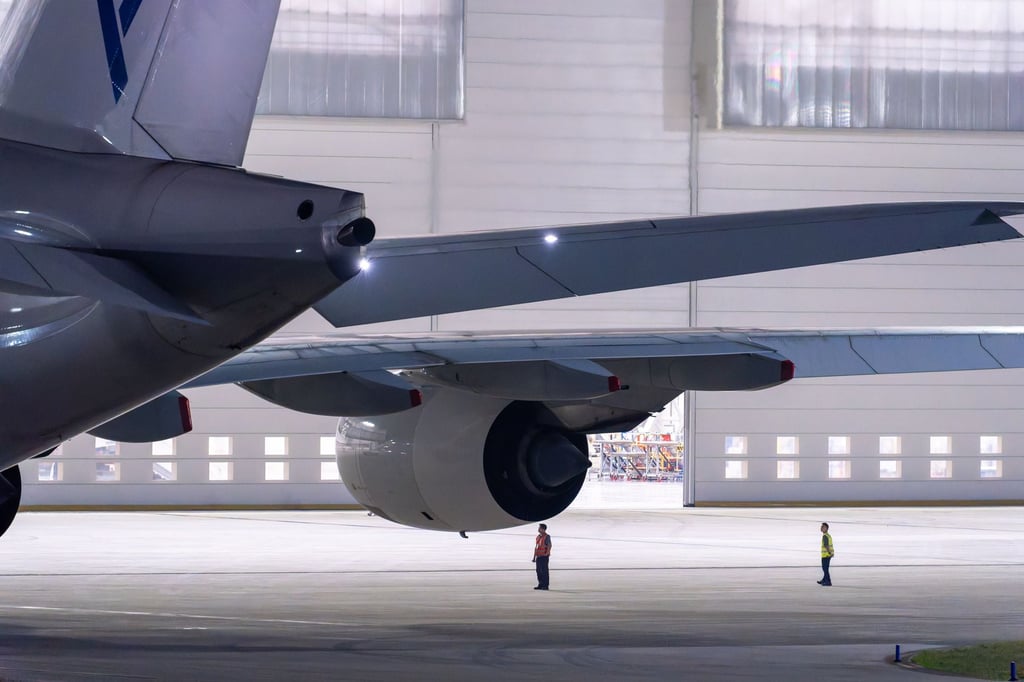
Usually at the back. The NTSB says both recorders are installed in the most crash-survivable part of the aircraft, which is usually the tail section. Passengers cannot see or reach the recorders.
Why is the black box orange, not black?
Because orange is easy to spot. The Australian Transport Safety Bureau explains that the recorders are painted orange so that they can be found easily after an accident, in burnt, broken or submerged wreckage. The nickname “black box” is older than that colour choice, and nobody can say for certain where the name began, so you will see several explanations online.
Did you know that the recorders are built to survive severe impact, fire and deep water? The NTSB lists water pressure resistance as part of their design, which is why they are often recovered even when the aircraft is badly damaged.
How do investigators find a black box underwater?
Each recorder carries an underwater locator beacon, often called a pinger. The NTSB says it activates when the recorder is immersed in water and transmits an acoustic signal at 37.5 kHz that a special receiver can detect. Its battery is designed to last for at least 30 days after activation, and European rules have since extended the required transmission time for these beacons to at least 90 days, so the figure depends on the aircraft and the rules it was certified under. Newer beacons using a lower frequency are meant to be detectable over a much longer distance.
The practical point is that the pinger only works for a limited time, so search teams work against a clock when a crash happens at sea.
Who requires aircraft to carry recorders, and how long do they record?
Regulators require them. In India, the Directorate General of Civil Aviation sets the rules for aircraft registered here in its Civil Aviation Requirements, with separate parts covering flight data recorders and cockpit voice recorders. International standards come from ICAO, and the details vary with the aircraft’s size and when it was certified.
Recording duration also depends on the age and type of equipment. Older units kept a short loop of audio, and modern digital units hold far more, so the exact number differs from one aircraft to another. Check the aircraft’s regulator if you need a specific figure.
What do investigators do with the recordings?
The UK Air Accidents Investigation Branch says that data downloaded from the recorders helps investigators establish what happened and why. The flight data shows how the aircraft was flown and how its systems behaved, and the audio helps explain what the crew heard, said and decided at each moment.
Investigators rarely rely on one source alone. They combine the recorders with the wreckage, maintenance records, air traffic control recordings and witness accounts, and the aim of the work is to prevent a repeat rather than to assign blame.
For ordinary travellers, the takeaway is reassuring. Every serious incident feeds lessons back into how aircraft are designed, maintained and flown, and the black box is one of the main reasons that happens.
Common Questions
Is the black box really black?
No. The recorders are painted bright orange so that searchers can find them in wreckage.
Are there one or two black boxes on a plane?
Two: the flight data recorder and the cockpit voice recorder. Some aircraft combine both functions in a single unit.
Where is the black box kept on an airliner?
Usually in the tail section, which is typically the most crash-survivable part of the aircraft.
What does the cockpit voice recorder pick up?
Crew conversation, radio calls with air traffic control and other cockpit sounds such as engine noise and warning tones.
What does the flight data recorder track?
Operating conditions of the flight, including altitude, airspeed, heading and attitude. Modern units record many more parameters than older ones.
Can passengers or airlines switch the recorders off in flight?
Recorders are fitted to run during flight as a safety system. Questions about specific procedures are best put to the airline or the regulator.
Curious about how flying works? When you are ready to book, search and compare flights on HappyFares, with zero convenience fee on domestic bookings, price alerts, and Meera, our AI assistant, to help you pick a fare.
Rules and technical standards change; please verify current specifics with DGCA, ICAO or the aircraft operator.

