
Phone and laptop chargers and USB cables are ordinary travel items, and most travellers carry them in cabin baggage without trouble. Multi-plug extension boards and travel adapters are less clearly covered by published lists, so the final call is made at the security screening point and by the airline. Power banks have separate rules and must not go in checked baggage.
Updated November 2026 · HappyFares
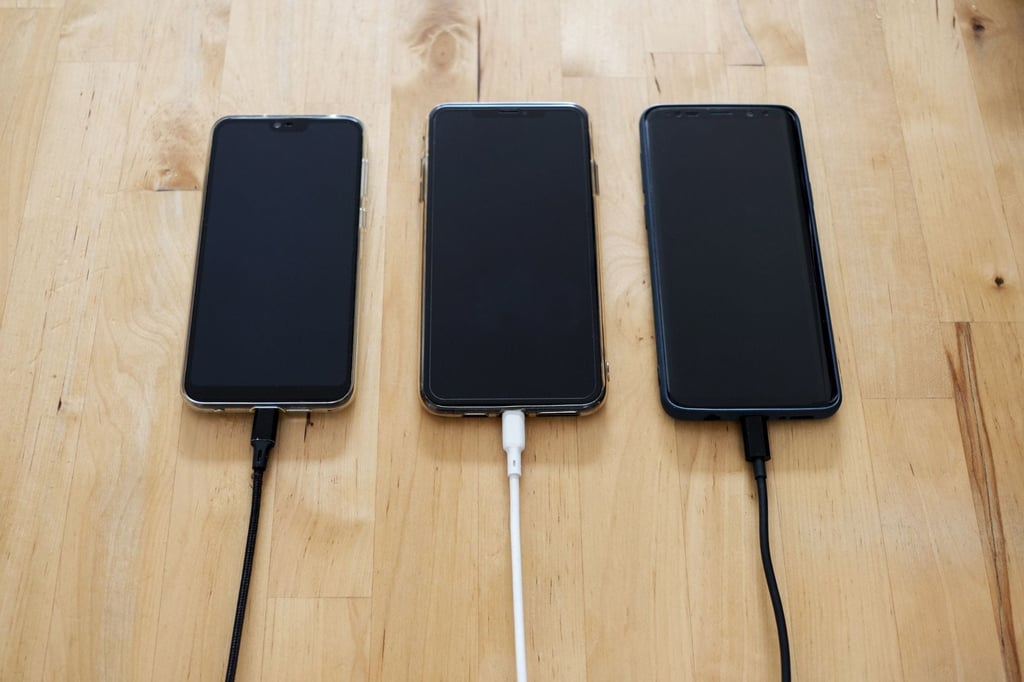
Chargers are the one thing everyone packs and almost nobody checks the rules for. Here is what is published, what is not, and a practical way to pack.
Can you carry phone and laptop chargers on a flight in India?
Yes, in practice. Chargers and cables are everyday items and are routinely carried through Indian airports. The safest place for them is your cabin baggage, together with your phone and laptop. IndiGo’s baggage guidance recommends keeping electronics, along with valuables such as cameras and money, in cabin baggage rather than checked baggage, and the same logic applies to the chargers that go with them.
One caution on wording. Airline pages carry long lists of restricted and dangerous items, and the lists are described as indicative, not complete. IndiGo states that it reserves the right to refuse carriage of items that are not mentioned on its list. If an airline’s page looks unclear to you, ask that airline before you fly.
Are multi-plug extension boards and travel adapters allowed?
We could not find a clear, published statement from the aviation security regulator (BCAS) or from the major Indian airlines that bans or specifically permits extension boards or power strips. Because nothing definite is published, treat this as a screening-point decision. A security officer at the airport can ask you to remove the item, or decide it should not go through.
What usually helps:
- Travel adapters (plug converters) are small, simple items and are a different thing from a mains extension board.
- A bulky extension board with a long cable is more likely to draw questions at the X-ray than a compact charger.
- If you do not need it on the trip, leave it at home or ask your host to provide one.

Should chargers go in cabin or checked baggage?
Cabin baggage is the better default for anything electronic. Your phone and laptop are the things you cannot afford to lose, and the charger is what makes them useful on arrival. Checked baggage is handled roughly and can be delayed, so a charger in the hold can leave you without a working phone for hours.
The exception is anything containing a loose lithium battery. Power banks and spare lithium batteries are not ordinary chargers. IndiGo’s pages say power banks and spare lithium batteries are permitted only in hand baggage, must stay within your reach, and must not be used or charged during the flight. Air India’s guidance asks that a laptop battery be removed and carried in cabin baggage if the laptop is packed in checked baggage. For the full picture on power banks, read our guide: power banks on flights in India.
How should you pack cables and chargers for security?
A tangle of cables can make the X-ray image harder to read and may prompt a bag check. A few habits help:
- Keep chargers and cables together in one pouch near the top of your bag.
- Keep the pouch easy to pull out if an officer asks to see it.
- Do not wrap a charger around a power bank. Keep the power bank separate.
- Carry only the cables you will actually use.
Did you know? Whether your seat has a power socket depends on the airline and aircraft, so do not count on being able to charge your phone in flight.
Who decides what is allowed on the day?
The rules come from the aviation security regulator and the airline, but the screening at the airport is done by security personnel on the spot. If an officer says an item cannot go through, the decision stands for that day, and your choices are usually to leave it, hand it to someone outside, or check it in where the airline allows. This is why a short check of your airline’s baggage and dangerous goods page before you pack is worth the minute it takes.
Common Questions
Can I carry a phone charger in checked baggage?
Generally yes for a plain charger and cable, but cabin baggage is the better choice because delayed or rough-handled checked bags can leave you without a charger. Anything with a loose lithium battery, such as a power bank, must not go in checked baggage.
Are USB cables allowed in hand baggage?
USB cables are ordinary items and are commonly carried in hand baggage. If an officer asks you to show them, pull them out of the bag.
Can I carry an extension board on a domestic flight?
No clear official rule that we could find covers it, so the security screening point decides. Expect questions if it is bulky, and consider leaving it behind.
Can I use my charger and power bank on board?
Power banks must not be used or charged during the flight on IndiGo, according to its baggage pages. Check your own airline’s current policy, and use only a seat socket if one is provided.
Do I need to take chargers out of my bag at security?
That depends on the screening point and the officer. Keeping them in one pouch at the top of the bag makes it quick if you are asked.
Where is the full list of restricted items?
On your airline’s baggage and dangerous goods pages, and with the aviation security regulator. These lists are indicative, so security can still decide on items they do not mention.
Packed and ready? Compare flights on HappyFares with zero convenience fee on domestic bookings, set a price alert for your route, or ask Meera, our AI assistant, to help you search.
Rules and fees change. Verify current specifics with your airline, BCAS or the airport before you travel.

