
The standard Schengen short-stay visa fee is EUR 90 for adults and EUR 45 for children from age six to under 12. Children under six do not pay. The fee last rose on 11 June 2024, from EUR 80 for adults and EUR 40 for children. The European Commission’s page lists reduced fees only for certain named countries, and India is not among them. Service-centre charges are separate.
Updated November 2026 · HappyFares
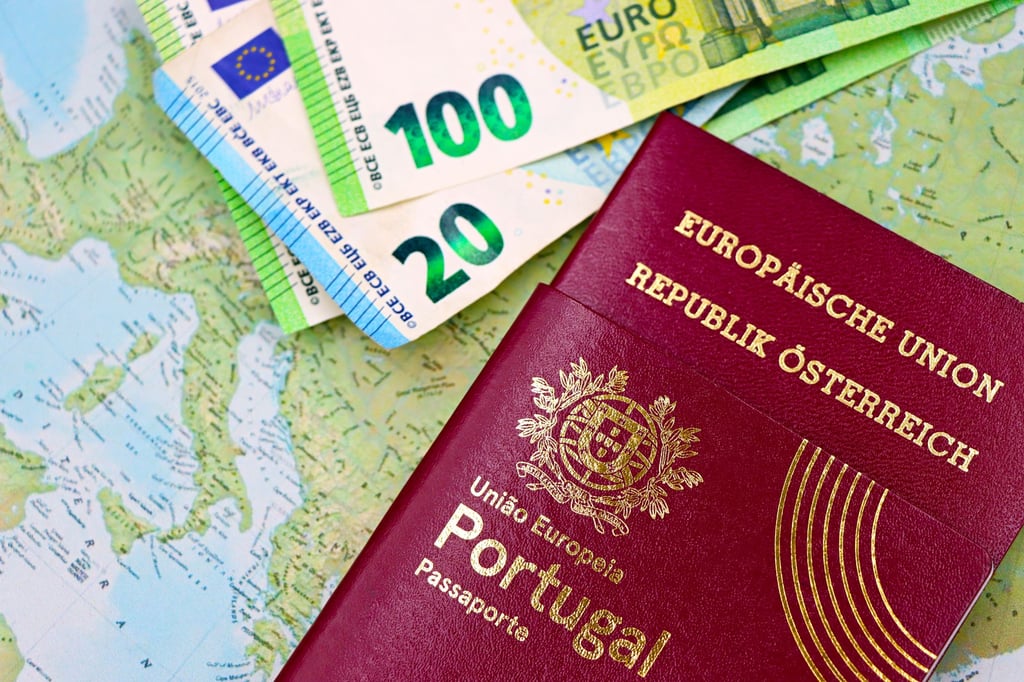
Budgeting for a Europe trip starts with the visa. This guide sets out the official fee, when it last changed, and which costs sit outside it, so you can plan without surprises.
How much is the Schengen visa fee for Indians?
The EU Visa Code, the regulation that governs Schengen short-stay visas, sets the fee. It says applicants pay EUR 90. For children from the age of six and below the age of 12, the fee is EUR 45. Children under six are exempt from the fee.
| Applicant | Standard visa fee |
|---|---|
| Adult | EUR 90 |
| Child, 6 years to under 12 | EUR 45 |
| Child under 6 | No fee |
The fee is charged in euros. The rupee amount you pay depends on the exchange rate the day you apply, so keep a little room in your budget. The fee is also not refunded if the visa is refused, so check your documents carefully before you submit.
When did the fee last change?
The European Commission announced that the Schengen visa fee increased on 11 June 2024. The adult fee went from EUR 80 to EUR 90, and the fee for children aged six to under 12 went from EUR 40 to EUR 45.
Old figures still circulate on websites, and forum posts, so if you see EUR 80 quoted, it is out of date. The Commission said the income from visa applications will be reinvested in more resources, including to process applications.

We could not confirm any further change to the standard fee after June 2024 from official pages. Fees can be revised, so check the date on any source you use.
Does India get a special or reduced fee?
Not according to the European Commission’s page on applying for a Schengen visa. It lists the standard fee of EUR 90 for adults and EUR 45 for children, and lower fees for applicants from a few named countries with visa facilitation agreements with the EU: EUR 35 for Armenia, Azerbaijan and Belarus, and EUR 67.50 for Cabo Verde. India is not listed.
The page also notes that the fee can be waived for specific categories of applicants. Whether you fall into one of those categories is decided by the consulate handling your application, so ask them rather than assuming. Any waiver or reduction in an individual case is for the embassy to decide.
Are service or appointment-centre charges included?
No. The Commission’s page says an additional fee may apply if you go through visa service centres. That charge is separate from the visa fee and is paid for the handling service, not for the visa decision.
The Visa Code sets a ceiling on such charges. It says the service fee shall not exceed half of the visa fee, which works out to EUR 45 against the EUR 90 adult fee. The Visa Code allows for different limits in certain cases, so check the exact charge on the page of the embassy or visa centre you are using.
Other costs also sit outside the visa fee. These can include travel insurance, photographs, courier or translation of documents, and flights. Before you pay anything for the visa itself, make sure you are paying through the channel your destination country’s embassy names on its own site.
A simple way to plan is to add up the pieces before you start. For a family of two adults and one child aged eight, the visa fee itself is two adult fees plus one child fee, and a child under six would add nothing to that line. Any visa-centre charge is usually counted per applicant, so ask how it applies to children before you book an appointment.
What else should you budget for?
- The visa fee in euros, per applicant, including children aged six and above.
- Any service charge of the visa centre, if your application goes through one.
- Travel insurance that meets the requirements of the country you apply to.
- Your flights, and ideally a booking you can change if the visa date slips.
Apply to the embassy or consulate of the country that is your main destination, as the Commission’s guidance advises. If you plan to visit several countries, that is usually the one where you will spend the most time.
Keep copies of your payment receipts and appointment confirmations together with your passport, since the embassy or visa centre may ask for them at your appointment.
Many travellers wait for the visa decision before buying a non-changeable fare. If you buy earlier, read the fare rules for cancellations and changes, because a visa refusal does not make an airline ticket refundable by itself.
Common Questions
What is the Schengen visa fee for an adult?
EUR 90, under the EU Visa Code and as listed by the European Commission.
What do children pay?
EUR 45 for children from age six to under 12. Children under six pay no visa fee.
When did the fee last increase?
On 11 June 2024, from EUR 80 to EUR 90 for adults and from EUR 40 to EUR 45 for children.
Is the fee refunded if my visa is refused?
No. The visa fee is not refunded if the visa is refused, so check your application carefully.
Is the visa centre charge part of the EUR 90?
No. A service charge may apply separately if you apply through a visa service centre. The Visa Code caps it at half of the visa fee.
Does India pay a different fee?
The Commission’s page does not list India among the countries with reduced fees, so the standard fee applies unless a waiver applies in your individual case.
Planning a Europe trip? Search and compare flights on HappyFares, with price alerts to track a fare and zero convenience fee on domestic bookings.
Visa rules and fees change. Verify current specifics with the embassy of your destination country, the European Commission, or the airline before you travel.

