
Yes, keep your seat belt fastened whenever you are seated, even after the sign goes off. The US Federal Aviation Administration advises keeping it buckled at all times in your seat, and the US safety board NTSB found that wearing a seat belt reduces the risk of serious injury in turbulence. Some turbulence cannot be seen by aircraft weather radar, so it can arrive without warning.
Updated November 2026 · HappyFares
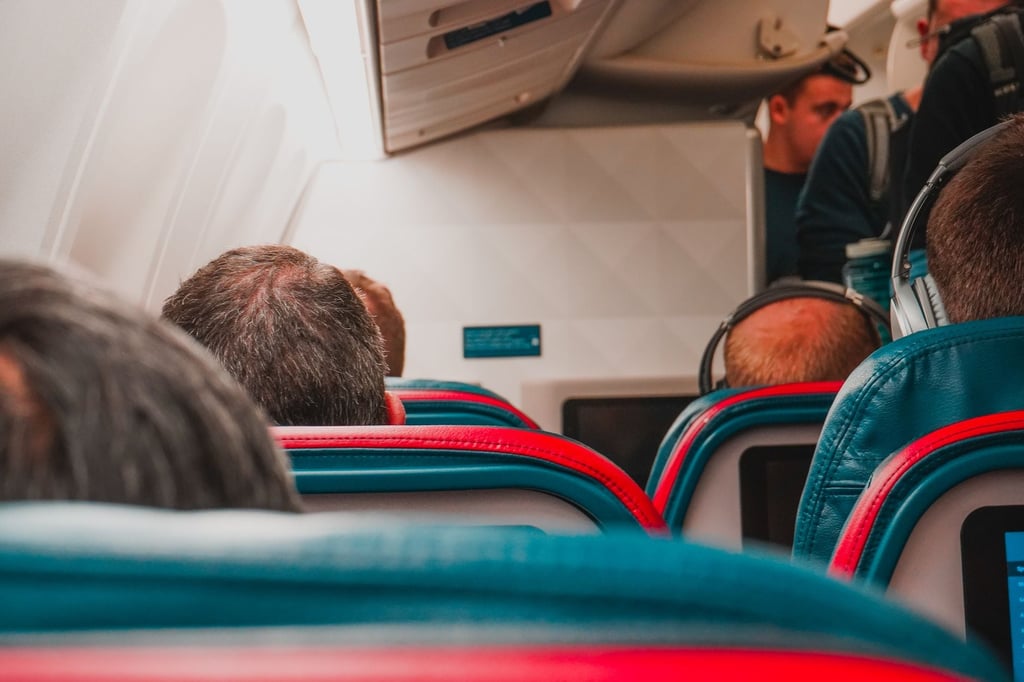
The “ding” and the light going off feel like permission to relax, and many passengers unbuckle straight away. Safety guidance says that is the moment to keep the belt on, loosely, while you stay in your seat.
Should you keep your seat belt fastened when the sign is off?
The advice from aviation safety authorities is yes. The FAA’s traveller guidance on turbulence says passengers can prevent turbulence injuries by keeping the seat belt buckled at all times while seated. The same guidance lists when belts are required: when the aircraft leaves the gate, during climb after take-off, during landing and taxi, and whenever the seat belt sign is on.
So there are two separate things. Obeying the sign is a requirement. Keeping the belt fastened while seated, when the sign is off, is advice, and it is strong advice from the people who study injuries.
A fastened belt does not need to be tight. Wearing it loosely across your lap, snug enough to stay in place, is comfortable enough to sleep in and still does the job.
Why does the sign being off not mean it is safe?
Turning the seat belt sign off tells passengers that no turbulence is expected at that moment. It is not a promise. Some airline procedures say much the same: the sign being off means no turbulence is expected, but crew may still ask passengers to keep their belts fastened while seated.
The reason is that some turbulence is hard to anticipate. Weather radar works by bouncing signals off particles such as rain and ice. Clear air turbulence happens where there is no cloud or precipitation to reflect the signal, so the radar cannot see it.
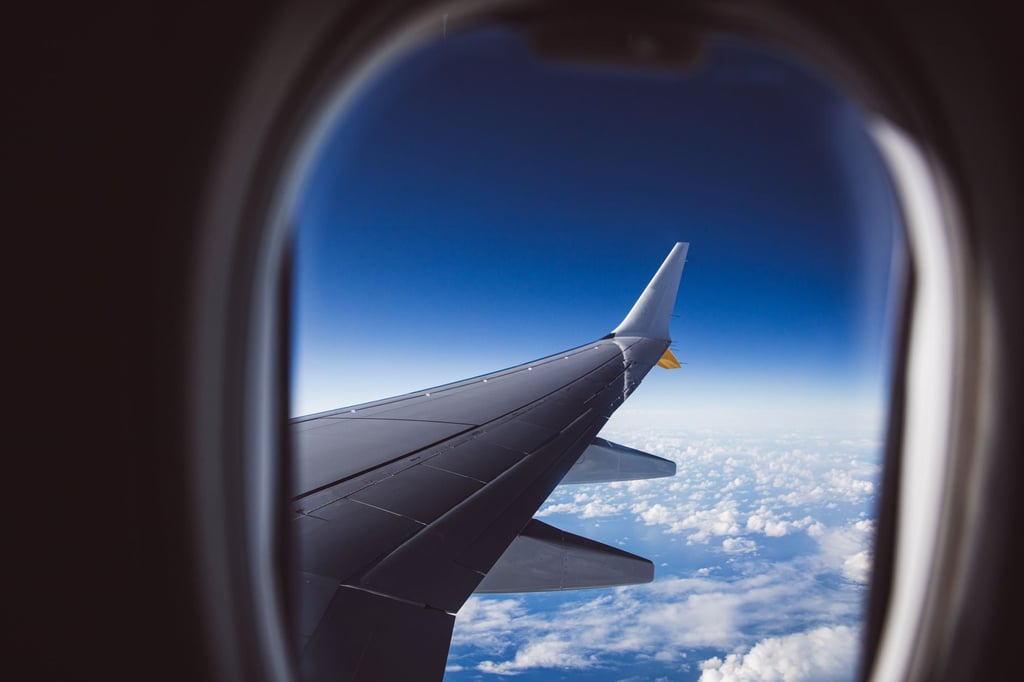
Did you know? Clear air turbulence can occur in a cloudless blue sky, which is why a flight can feel perfectly calm one moment and bumpy the next.
What does the evidence say about injuries?
The US National Transportation Safety Board published a safety study on preventing turbulence-related injuries in air carrier operations. Among its findings was that wearing a seat belt reduces the risk of serious injury for people on board in the turbulence accidents it analysed.
The reasoning is easy to picture. In sudden turbulence, an unbelted person can be thrown upward and strike the ceiling or other passengers, or fall onto armrests and tray tables. A belt keeps you in the seat, which is built to protect you.
Cabin crew are also at risk because they are often walking the aisle. That is one reason the crew will ask you to stay seated and may stop service when the sign comes on.
What should you do when the seat belt sign comes on?
- Return to your seat promptly and fasten the belt. If you are in the lavatory, return as soon as it is safe, and follow crew instructions.
- Follow cabin crew instructions. They may pause service, and they may ask you to stow items.
- Keep the belt fastened until the sign goes off and crew say it is safe, then keep it loosely fastened anyway while seated.
- Keep young children secured as per crew instructions, and keep small items off tray tables and stowed so they do not become projectiles.
Airlines and regulators in each country publish their own passenger safety rules. In India, the DGCA is the regulator, and the airline’s own safety briefing and crew instructions apply on every flight.
Is it fine to get up while the sign is off?
Yes. You may walk to the lavatory or stretch your legs when the sign is off and the crew are not asking you to stay seated. The safety advice is about the time you spend in your seat. When you sit down again, fasten the belt, even if you plan to nap or watch a film. Many travellers put the belt on over the blanket so that crew do not need to wake them if the sign comes on.
Common Questions
Is it mandatory to wear a seat belt when the sign is off?
Obeying the sign is required. According to the FAA’s guidance, belts are required whenever the sign is on and during gate departure, take-off climb, landing and taxi. Keeping it fastened while seated at other times is advice from aviation safety bodies.
Can turbulence happen with no warning?
Yes. Clear air turbulence occurs without cloud, and weather radar cannot detect it because there are no particles to reflect the signal. That is why the advice is to stay buckled when seated.
How tight should the belt be?
Fasten it low across your lap, snug enough to stay in place. It does not need to be tight, and it should be comfortable enough to wear throughout the flight.
What do crew usually announce?
Some airline procedures call for a reminder to keep belts fastened while seated, even when the sign is off. Practice varies by airline, so listen to your own crew.
Do children need a seat belt too?
Children should be secured as the airline and crew instruct. Rules for infants and child restraints differ by airline, so check with your airline before you fly.
Why do crew stop the service in turbulence?
Crew move around the cabin and carry hot items, so service is typically paused when the sign comes on, to reduce the risk of injury. Follow their instructions.
Planning your next trip? Search and compare flights on HappyFares, with zero convenience fee on domestic bookings and price alerts to help you find a fare that suits you.
Rules and guidance change, so verify current specifics with your airline, the DGCA or the airport before you travel, and always follow cabin crew instructions.

