
Joking about a bomb at an Indian airport is treated as a real threat. Recent Mumbai cases show passengers removed from flights, aircraft searched, and police cases registered. Rules on false information that endangers aviation security were also tightened in December 2024. Even a remark meant as a joke can delay a whole flight, so never say it, in person or in writing.
Updated November 2026 · HappyFares
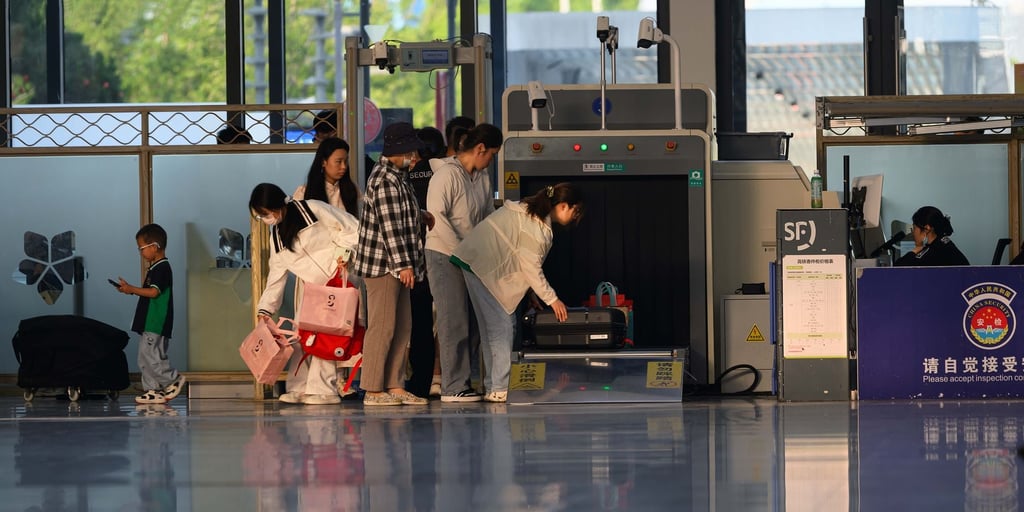
Most of us have heard someone make a nervous joke at a security counter. In India, that is a bad idea, and the consequences can be larger than people expect. Here is what recent reported cases show and what the rules say, in plain terms.
Is a bomb joke at the airport taken seriously in India?
Yes. Security staff are trained to act on any mention of a bomb, because they cannot know the speaker’s intent. A remark that sounds funny to you is, to them, a possible threat that must be checked before anyone flies.
Two reported cases from 2026 show how this plays out. In August 2026, a passenger at Mumbai airport was asked during a hand-luggage check at the boarding gate whether his bag held prohibited items. News agency IANS reported that he replied there was a bomb in it. Airline security staff alerted CISF personnel, who detained him and removed him from the IndiGo flight to Delhi.
The aircraft was evacuated, and the CISF and the Bomb Detection and Disposal Squad searched the aircraft, cargo and luggage. Nothing suspicious was found, and the flight later left for Delhi after a delay. The passenger told police he had been joking.
What happens to the passenger?
Based on the cases reported, a typical sequence looks like this:
- The passenger is detained by security personnel at the airport.
- The passenger is offloaded, meaning removed from the flight and not allowed to travel on it.
- The case is handed to the local police, often on a complaint from the airline’s security staff.
- Police may register a case and arrest the person, who may later be released.
In the August 2026 case above, the CISF handed the passenger to Sahar police on a complaint from airline security officers. The police registered a case and arrested him, and he was released after being given a warning notice. The reports did not name the legal sections used in that case, and the investigation was described as ongoing at the time of reporting.
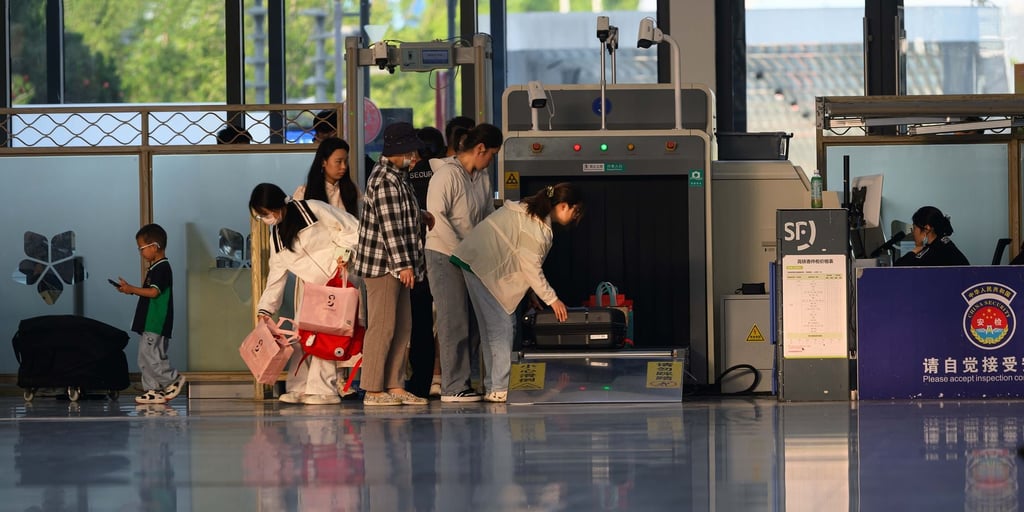
Whether any refund applies after offloading depends on the airline’s fare rules and conditions of carriage, so check those rather than assuming.
Which laws apply to a hoax threat?
There are two layers: the criminal law and aviation security rules.
On the criminal side, news reports on a separate Mumbai case in March 2026 said Sahar police registered an FIR under Bharatiya Nyaya Sanhita sections 125, 351(2) and 353(1)(b). In that case a passenger was reported to have shouted a false warning near the boarding area that there was a bomb on a different flight, causing panic among passengers and staff. Those are the sections named in the news report. This article does not interpret them, and only a court decides what applies to a given case.
On the aviation side, the Aircraft (Security) Rules were amended in December 2024 to add a rule dealing with false information. It covers information that could endanger the safety or security of an aircraft or aerodrome, cause panic, or disrupt civil aviation operations. The amendment was reported to add financial penalties for such conduct as well, and press reports on it also said offenders could be deboarded or placed on a no-fly list. Check the notified text for the exact penalties. The Bureau of Civil Aviation Security, known as BCAS, is the regulator for civil aviation security in India.
If you want the exact wording, read the notified rules and the Bharatiya Vayuyan Adhiniyam, 2024 on the Ministry of Civil Aviation website, or speak to a lawyer. The main point for travellers is simple: the system is built to treat a mention of a bomb as a security event.
Can it lead to a no-fly list?
India does have a no-fly list. DGCA’s Civil Aviation Requirement on handling unruly and disruptive passengers sets out levels of unruly behaviour and a ban from flying for a stated period depending on how serious the behaviour is. Airlines follow a defined procedure before a passenger is placed on the list.
That rule is about unruly conduct on board and at the airport. Whether a particular bomb remark leads to a ban is for the airline, the authorities and the courts to decide, and no article can promise either outcome. What we can say is that a ban is a possibility that the rules themselves provide for, so it is a risk worth avoiding altogether.
How can you avoid trouble at security?
- Answer security questions plainly and briefly. If asked about prohibited items, say no or name what you are carrying.
- Do not joke about bombs, weapons, hijacking or similar words, even with friends in the queue. Others may hear you and report it.
- Avoid such words in messages, social posts and bag tags too.
- If you realise you said something careless, tell the nearest security officer at once and explain calmly. Do not walk away.
- Allow extra time. If a delay is caused by a security check, stay patient and cooperative.
Common Questions
Is saying “bomb” as a joke illegal in India?
There is no safe way to say it. Recent reported cases show passengers detained, removed from flights and booked by police after such remarks. The exact charges depend on the facts and are decided by the police and courts.
Will I be offloaded?
In the August 2026 case reported, the passenger was removed from the flight. Expect that the airline and security staff will not let you travel on that flight.
Will the flight be delayed?
Often, yes. In the August 2026 case, the aircraft was evacuated and searched before the flight could go, which affects every passenger on board.
Which sections of the law are used?
In a March 2026 Mumbai case, news reports named Bharatiya Nyaya Sanhita sections 125, 351(2) and 353(1)(b). Other cases may involve different provisions, and aviation security rules on false information also exist.
Can I be put on the no-fly list?
DGCA’s rules on unruly passengers provide for a no-fly list with bans of varying length. Whether it applies to a particular incident is not something we can predict.
What should I do if I said something by mistake?
Tell the nearest security officer immediately, stay calm, and cooperate with any questions. Honesty and speed are your best options.
Plan a smooth, stress-free trip. Search and compare flights on HappyFares, with zero convenience fee on domestic bookings and price alerts to catch a fare you like.
This is general information, not legal advice. Rules and penalties change, so verify current specifics with the airline, DGCA, BCAS or the airport before you travel.

