
Yes, you can carry an inhaler on a flight in India, and you should keep it in your cabin baggage, not in the checked bag. Airport Authority of India security guidance lists medicine and inhalers accompanied by a prescription as an exception to the liquids and aerosols restriction. Carry the prescription, keep the inhaler in its labelled pack, and tell the security officer at screening.
Updated November 2026 · HappyFares
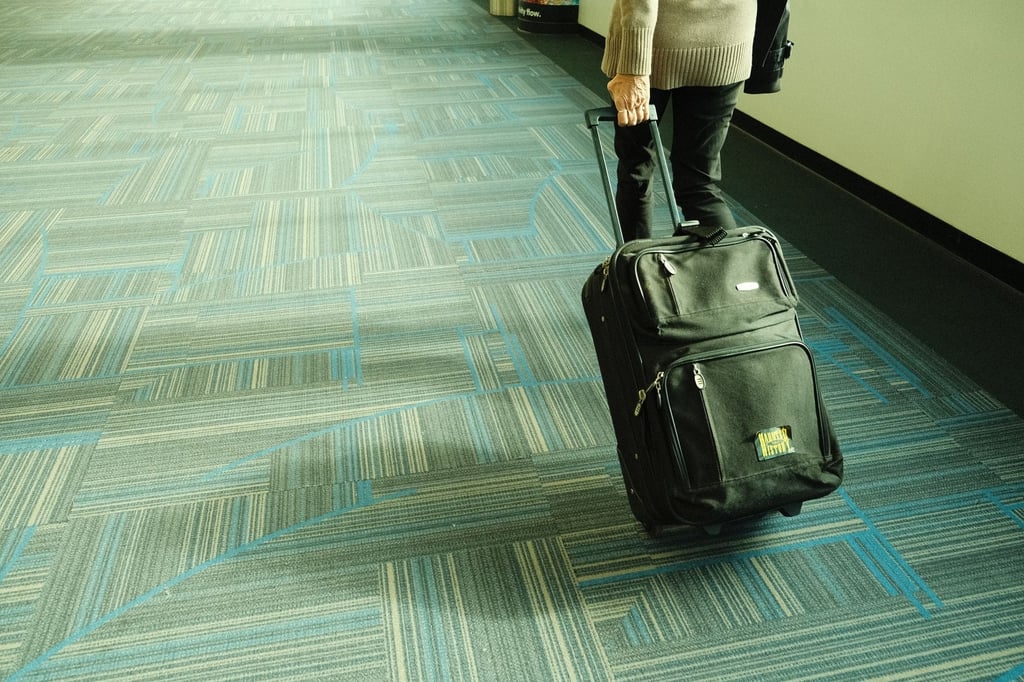
If you have asthma or another breathing condition, your inhaler is the one item you never want out of reach on a flight. Here is what Indian airports and airlines say, and how to make screening smooth.
Is an inhaler allowed in cabin baggage in India?
Yes. The Airport Authority of India (AAI) publishes security information on its airport pages. In the entry on liquids, aerosols, gels and pastes, the exception reads “Medicine/inhaler accompanied by prescription and baby food.” In plain terms, an inhaler with a prescription is allowed through, even though aerosols are otherwise restricted in the cabin.
Airlines say much the same. Air India’s medical guidance says to carry your inhaler and medicines in hand baggage. Policies differ by airline, so check your own airline’s current baggage page.
Do you need a prescription?
The AAI wording ties the exception to an inhaler “accompanied by prescription”, so carrying the prescription is the safest approach. Some airlines may also ask for proof that a medicine is yours, so make sure the name on the label or prescription matches your ticket, and check your airline’s rules.
A practical routine for any flight:
- Keep the inhaler in its original pack or labelled box.
- Carry a printed or digital copy of the prescription in your name.
- Pack the inhaler where you can reach it quickly, such as your personal item or a jacket pocket, not the overhead locker.
- Carry a spare if your doctor advises it, in case of delay.
Whether you need a particular device, dose or spare is a question for your doctor, not for an airline or a website.
Why should the inhaler stay in hand baggage?
Checked bags are out of reach from the moment you drop them at the counter until you collect them at the other end. If the bag is delayed, you would be without your medicine, and you cannot reach into a hold during the flight. Hand baggage keeps the inhaler with you through security, boarding, any delay on the tarmac and the flight itself.
Aerosols are also a flagged category in airline dangerous goods rules, which is why the medicine and prescription exception matters. Keeping your inhaler visible and declared helps screening staff identify it quickly.
What happens at the security check?
At screening, you will usually be asked to place your cabin bag on the X-ray belt. Take the inhaler out of the bag and tell the security officer what it is, and show the prescription if asked. Airport security guidance asks that liquids and aerosols go in a clear, resealable one-litre plastic bag, so a transparent pouch makes this quicker.
Security rules and officer discretion can differ between airports and days, so keep your documents handy and be patient if an extra check is needed. Being polite and prepared matters more than anything else here.
How do you tell the airline about a medical need?
Do not assume the airline already knows. Special assistance is requested from the airline itself. IndiGo, for example, publishes a disability assistance page, and Air India and Akasa Air have similar help channels on their own sites and call centres. Check the airline’s page for how to request assistance when you book.
For a simple inhaler, you typically need no special assistance, but if you want help with boarding, a wheelchair or other support, ask the airline directly, ideally as early as possible. For questions about whether you are fit to fly, speak to your doctor first.
On international trips, also check the rules of the country you are flying to, since some medicines that are legal in India are restricted elsewhere. Your airline and the destination country’s official website are the places to confirm.
Common Questions
Can I carry a spacer or nebuliser on a flight?
Policies on devices differ by airline and airport. Check with your airline before travel, and carry a prescription or doctor’s note that mentions the device.
Is an inhaler counted in my cabin baggage allowance?
Cabin baggage limits and rules for medical items differ by airline, so check your own airline’s current policy before you travel.
Do I need to declare the inhaler at security?
It is sensible to take it out and mention it to the officer, with the prescription ready. This reduces delays at the X-ray belt.
Can I use my inhaler during the flight?
Yes, if you need it. Keep it within reach in your seat pocket or personal item, and tell the cabin crew if you feel unwell.
Does check-in cost extra if I need assistance?
Checking in, online or at the airport, is free on Indian airlines. If you need assistance, ask your airline how to arrange it.
Where do I ask for special assistance?
Ask the airline you are flying with, at booking if possible, through its website or call centre.
Ready to book? Search and compare flights on HappyFares with zero convenience fee on domestic bookings, set a price alert, or ask Meera, our AI assistant, to find the right flight.
Rules and airline policies change. Verify current specifics with your airline, the airport and the security authorities before you travel, and ask your doctor about your medical needs.

