
Yes, IndiGo, Air India and Akasa Air all carry battery-powered wheelchairs, subject to dangerous goods rules. Chairs with spillable wet-cell batteries are refused by IndiGo and listed as not permitted on Air India’s battery form, so confirm yours with the airline. Lithium-ion and non-spillable chairs are usually accepted with the battery protected. All three airlines ask for about 48 hours of notice, so contact the airline well before you fly.
Updated November 2026 · HappyFares
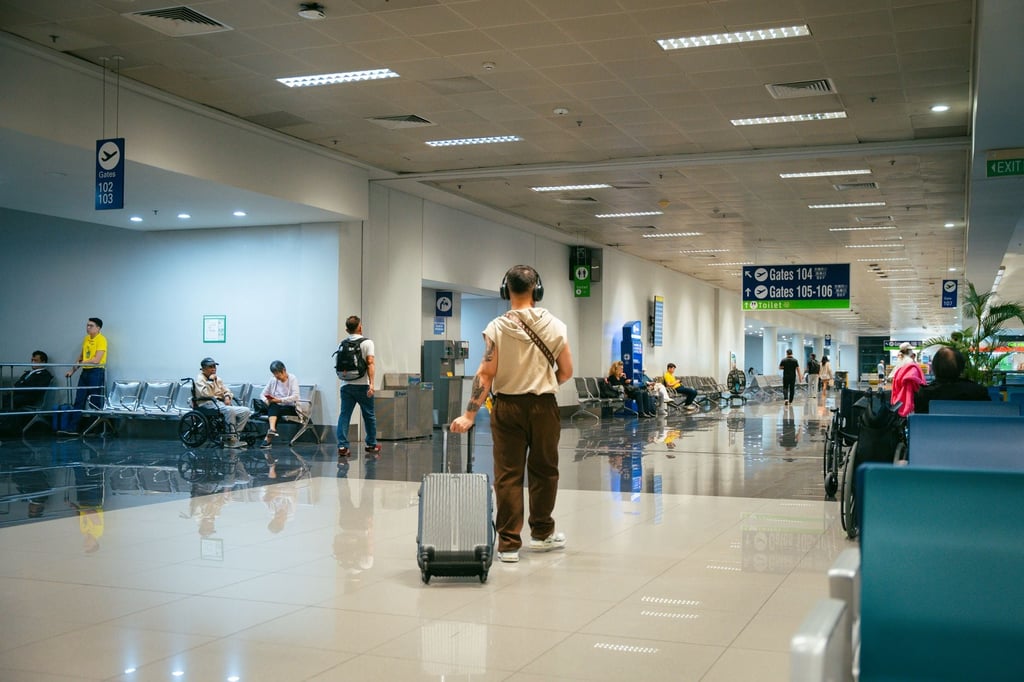
A powered chair or scooter is how many people get around, so the question is not whether you can fly but what the airline needs to know first. HappyFares sells flights only, so assistance is always arranged with the airline itself.
Which battery types do Indian airlines accept?
Batteries in mobility aids fall into broad groups: spillable wet-cell, non-spillable (sealed) and lithium-ion. IATA’s guidance on battery-powered wheelchairs sorts them in this way, and airlines apply it through the dangerous goods rules.
- Spillable wet-cell: IndiGo says these are not accepted because the batteries are corrosive and treated as dangerous goods. Air India’s battery form lists wet acid batteries as not permitted, although another Air India page describes spillable batteries differently. We could not confirm Akasa Air’s position, so ask the airline.
- Non-spillable and lithium-ion: These can generally travel, with the chair checked in and the battery terminals protected against short circuits. Each airline has its own wording, so confirm how your battery type is treated.
Watt-hour (Wh) ratings matter for lithium batteries, especially for removed batteries and spares carried in the cabin. The figures quoted on airline pages differ from one page to another, so we leave them out. Look for the Wh rating printed on your battery and quote it when you contact the airline.
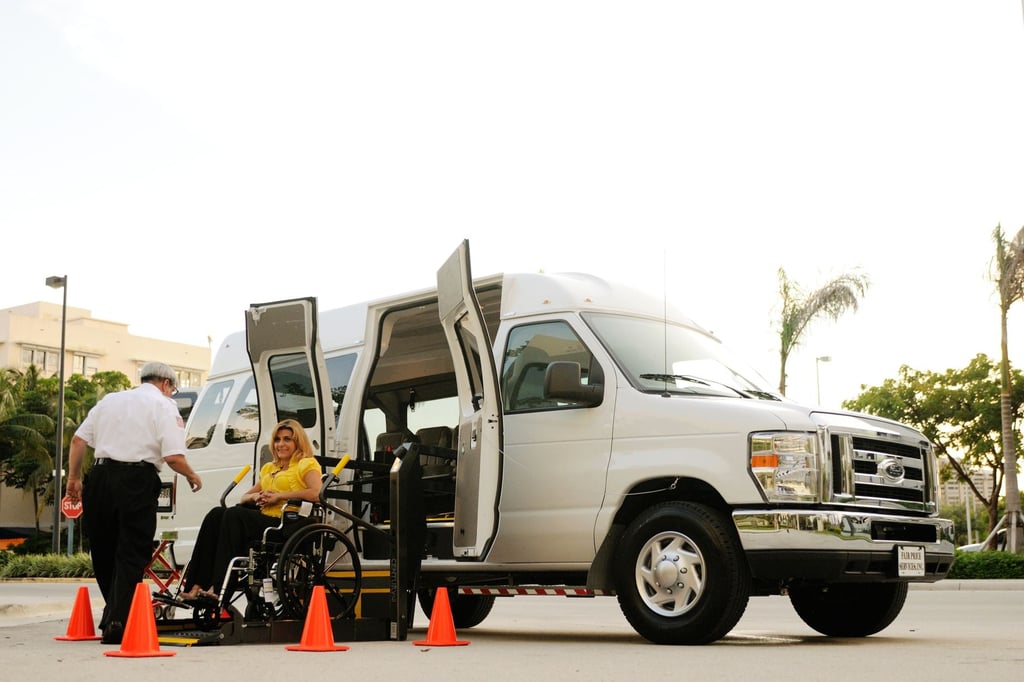
How much notice do airlines ask for?
IndiGo asks passengers to book a wheelchair at least 48 hours before departure. Air India asks you to fill in its Battery Powered Wheelchair Information Form and submit it at least 48 hours before departure, and to carry a copy to the airport. Akasa Air’s Conditions of Carriage ask passengers with battery-powered devices to arrange this with the airline at least 48 hours in advance by email.
Treat 48 hours as the minimum, not the target. If your chair needs the battery removed or the controls adjusted, an earlier call gives everyone time.
When you contact the airline, have these ready: the make and model of the chair, the battery type, the Wh rating, the weight of the chair, and whether the battery can be removed. A complete message at the first attempt usually saves a second round of questions.
How is the chair handled at the airport?
IndiGo says electric wheelchairs are dismantled at check-in and the battery terminals must be sealed, for example with a terminal cap or an insulated box that the passenger brings. It also asks for the manufacturer’s manual for the chair. Air India’s pages ask travellers to reach the airport earlier than usual so the battery-powered aid can be handled properly, and Akasa Air’s Conditions of Carriage say a battery removed from a chair must go in rigid packaging.
A practical set of items to bring: the user manual, a note of the battery type and Wh rating, instructions for folding or disconnecting the chair, and a small tag listing the steps in plain words. Ground staff can then handle it the way you do.
Did you know: IATA publishes a dedicated guidance document for battery-powered wheelchairs and mobility aids, because the battery inside is treated as a dangerous good while the chair itself is a necessity for the traveller.
Are there aircraft or routes to watch for?
IndiGo’s published pages state that it cannot carry battery-operated wheelchairs on its ATR aircraft. If you are flying to a smaller airport that is served by turboprops, ask the airline which aircraft will operate your flight before you book. Akasa Air flies Boeing 737 MAX jets, and Air India operates a range of aircraft, so the aircraft question is mainly for turboprop services.
What does the regulator say?
DGCA has a Civil Aviation Requirement on the carriage of persons with disability and persons with reduced mobility, which airlines in India follow, and it has been amended in recent years. We could not retrieve its battery provisions in full, so for exact rules read the current text on the DGCA website. Airline pages and the dangerous goods rules are what decide how your chair is accepted on the day.
Common Questions
Can I fly with an electric wheelchair on IndiGo?
Yes, subject to dangerous goods rules. Spillable wet-cell chairs are refused, and chairs cannot be carried on ATR aircraft. Ask for at least 48 hours of notice.
Does Air India accept lithium-ion wheelchair batteries?
Its pages describe how lithium-ion batteries are treated, including for spares. Because the details differ between pages, confirm yours with Air India.
Does Akasa Air charge for wheelchair assistance?
We could not confirm Akasa Air’s current terms on charges for wheelchair assistance, so ask the airline when you arrange it.
Can I take the battery out and carry it in the cabin?
Spare and removed lithium batteries are subject to Wh limits and are usually carried in the cabin. Ask the airline about your specific battery.
Who arranges assistance, the booking site or the airline?
The airline. Tell the airline about your chair, your battery and your assistance needs directly.
What if my battery is damaged or leaking?
Air India’s pages say a battery may be refused if there is any sign of damage or leakage. Have the battery checked before you travel.
Ready to choose a flight? Search and compare flights on HappyFares, and then contact your airline with your chair details. Domestic bookings have zero convenience fee, and you can set a price alert for your route.
Rules and fees change; verify current specifics with the airline, DGCA, or the airport before you travel.

